

Recently tinted your car’s windows? Congratulations on enhancing your vehicle’s style and comfort! However, it’s crucial to follow the right aftercare routine to ensure your new window tint lasts. One of the most frequently asked questions is about washing your car after the tint installation.
Waiting for the right time to wash your car is vital. Washing too soon can damage the tint, leading to bubbles, peeling, or even complete removal. So, when is the right time? The answer depends on several factors, including the type of tint used and the environmental conditions your car is exposed to.
In this article, we’ll guide you through the safe timeline for washing your car after window tint installation, ensuring you maintain its quality and longevity.
Key Takeaways
- Understand the importance of waiting before washing your car after window tint.
- Learn about the factors that influence the waiting period.
- Discover the recommended timeline for washing your car after tint installation.
- Get tips on how to properly care for your newly tinted windows.
- Find out how to maintain the quality and longevity of your window tint.
Understanding the Window Tint Curing Process
After the window tint is installed, it undergoes a curing process that is crucial for its durability and performance. This process is essential for ensuring that the tint adheres properly to the window and achieves its intended functionality.
What Happens During Tint Installation
During the window tint installation, a thin film is carefully applied to the glass surface. The installer ensures that the tint is free of bubbles and creases, using specialized tools to smooth out any imperfections. The type of tint used can vary, including dyed, metalized, carbon, or ceramic tints, each with its unique characteristics and benefits.
The installation process involves:
- Cleaning the glass surface to remove dirt and debris
- Measuring and cutting the tint to fit the window precisely
- Applying the tint and smoothing out any air bubbles or wrinkles
Why Proper Curing Time Matters
Proper curing time is vital because it allows the adhesive to fully bond with the glass. If the tint is washed too soon, the adhesive may not have fully cured, leading to peeling or bubbling. The curing time can be influenced by factors such as weather conditions, the type of tint used, and the quality of the installation.
Key factors that affect curing time include:
- Temperature and humidity levels
- The specific type of window tint used
- The quality of the installation
By understanding these factors and allowing the appropriate curing time, car owners can ensure their window tint lasts longer and performs better.
When Can I Wash My Car After Tint? The Standard Timeline
The period after window tint installation is critical, and knowing when to wash your car is essential. After getting window tint, it’s natural to want to keep your car clean, but you need to wait for the right moment to do so.
Minimum Waiting Period
Generally, the minimum waiting period before washing your car after window tint installation is 2 to 3 days. This allows the tint adhesive to set properly. However, this timeframe can vary depending on the type of tint and environmental conditions.
Factors That Affect Curing Time
Several factors can influence the curing time of your window tint, including:
- Temperature: Higher temperatures can speed up the curing process.
- Humidity: High humidity can slow down the curing process.
- Type of Tint: Different types of tints have varying curing times.
Understanding these factors can help you better plan when to wash your car.
Signs That Your Tint Has Properly Cured
To determine if your window tint has properly cured, look for these signs:
| Sign | Description |
|---|---|
| No Bubbles or Peeling | The tint should be flat against the glass with no bubbles or peeling edges. |
| Uniform Color | The tint should have a uniform color without any patches or discoloration. |
| No Adhesive Residue | There should be no sticky residue on the tint or around the edges. |
Once you’ve observed these signs, it’s generally safe to wash your car. Remember, proper care after tint installation is crucial for the longevity of your window tint.
Different Types of Window Tints and Their Curing Times
Understanding the different types of window tints is crucial for proper aftercare. The type of tint used on your vehicle can significantly impact its curing time and overall maintenance. Let’s explore the characteristics and curing times of dyed, metalized, carbon, and ceramic window tints.
Dyed Window Tint
Dyed window tint is the most basic and affordable type. It works by applying a dye between the adhesive layer and the protective top layer. This type of tint can take around 2 to 3 days to cure. It’s essential to be gentle with dyed tints as they are more prone to damage during the curing process.
Metalized Window Tint
Metalized window tint contains metallic particles that reflect heat. It’s more durable than dyed tint but can interfere with electronic signals. The curing time for metalized tint is typically around 3 to 5 days. Its reflective nature helps in reducing heat inside the car.
Carbon Window Tint
Carbon window tint is known for its durability and heat rejection capabilities without interfering with signals. It usually takes about 3 to 4 days to cure. Carbon tint is considered a mid-range option, offering a balance between performance and cost.
Ceramic Window Tint
Ceramic window tint is the premium option, offering superior heat rejection and UV protection without signal interference. It can take around 5 to 7 days to fully cure. Although it has a longer curing time, its benefits make it a worthwhile investment for many car owners.
| Type of Tint | Curing Time (Days) | Key Features |
|---|---|---|
| Dyed | 2-3 | Affordable, Basic |
| Metalized | 3-5 | Durable, Heat Reflective |
| Carbon | 3-4 | Balanced Performance, Durable |
| Ceramic | 5-7 | Superior Heat Rejection, UV Protection |
By understanding the different types of window tints and their respective curing times, car owners can better plan their aftercare routine, ensuring their vehicle’s tint lasts longer and performs well.
Weather Conditions and Their Impact on Tint Curing
Different weather conditions can either accelerate or hinder the curing process of window tints. It’s essential to understand these factors to provide the best aftercare for your tinted windows.
Curing in Hot vs. Cold Weather
The temperature plays a significant role in the curing process. Hot weather tends to accelerate the curing process because the adhesive bonds faster when it’s warm. However, extremely high temperatures can cause the tint to cure too quickly, potentially leading to bubbles or peeling. On the other hand, cold weather slows down the curing process, which can delay the full adhesion of the tint. It’s crucial to be patient and avoid washing your car too soon after installation in cold conditions.
For instance, in hot climates like Arizona, the curing process can be faster compared to colder regions like Minnesota. This geographical variation highlights the importance of considering local weather conditions when caring for tinted car windows.
Humidity Considerations
Humidity is another critical factor that affects the curing process. High humidity can slow down the curing by preventing the adhesive from drying properly. In humid environments, it’s advisable to keep the car’s interior well-ventilated to facilitate the drying process. Conversely, very dry conditions can cause the tint to dry too quickly, potentially leading to cracks or other issues.
| Weather Condition | Effect on Curing | Care Tip |
|---|---|---|
| Hot Weather | Accelerates curing | Avoid washing too soon after installation |
| Cold Weather | Slows down curing | Be patient and wait longer before washing |
| High Humidity | Slows down curing | Ensure good ventilation inside the car |
| Low Humidity | Speeds up curing | Monitor for potential drying issues |
The First Few Days: Post-Installation Care
The days immediately following window tint installation are critical for the tint’s curing process and overall durability. During this period, it’s crucial to follow specific guidelines to ensure your window tint adheres properly and lasts as long as possible.
Do’s and Don’ts After Installation
After getting your car windows tinted, there are several do’s and don’ts to keep in mind. Firstly, avoid rolling down your windows for at least 24 to 48 hours to prevent the tint from peeling off. It’s also advisable to keep your car out of direct sunlight during this initial period if possible, as it can cause the tint to cure too quickly or unevenly.
When it comes to cleaning, gently wipe away any dirt or debris from the surface using a soft, dry cloth. Avoid using any cleaning products or water during the first few days. If you must clean the windows, use a recommended cleaning solution and a microfiber cloth to gently clean the surface without scratching the tint.
| Action | Recommended | Not Recommended |
|---|---|---|
| Rolling down windows | After 48 hours | Within 24-48 hours |
| Cleaning windows | Soft, dry cloth or recommended cleaning solution with microfiber cloth | Using harsh chemicals or abrasive materials |
How to Spot Normal vs. Problematic Drying Signs
During the curing process, it’s normal to see some bubbles or a hazy appearance on the tint. However, large bubbles or excessive hazing could indicate a problem. If you notice any wrinkles or peeling edges, it’s best to consult your installer as these are not normal drying signs.
Monitoring the condition of your window tint during the first few days is crucial. If you’re unsure about any aspect of the curing process, it’s always best to err on the side of caution and seek advice from your window tinting professional.
Safe Washing Methods for Newly Tinted Windows
When it comes to washing your car after installing new window tint, it’s crucial to use the right methods to avoid damaging the tint. Newly tinted windows are particularly vulnerable to damage from improper washing techniques, which can lead to bubbles, peeling, or discoloration. Therefore, understanding the best practices for washing your car after tint installation is essential for maintaining the quality and longevity of the tint.
Hand Washing vs. Automatic Car Washes
One of the primary decisions you’ll need to make when washing your car after window tint installation is whether to use a hand wash or an automatic car wash. Hand washing is generally recommended because it allows for a gentler cleaning process. Automatic car washes, especially those with brushes, can be too harsh and may damage the tint or cause it to peel off prematurely.
Here are some key points to consider when deciding between hand washing and automatic car washes:
- Hand washing provides a more controlled and gentle cleaning environment.
- Automatic car washes can be quicker but may pose a risk to newly tinted windows.
- If you must use an automatic car wash, opt for a touchless car wash to minimize the risk of damage.
Recommended Washing Techniques
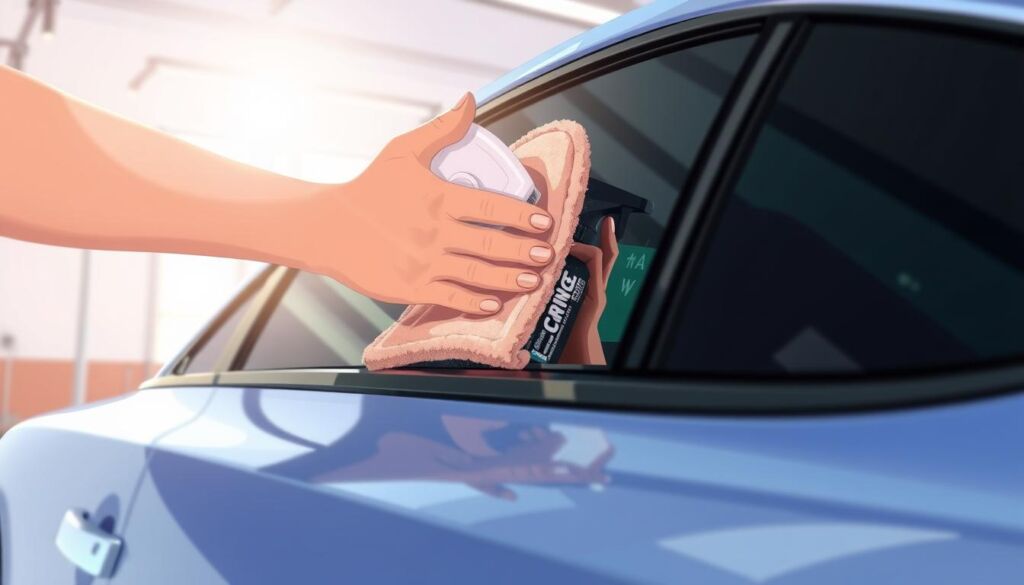
When washing your car after window tint installation, it’s essential to use the right techniques to avoid damaging the tint. Start by rinsing your car thoroughly with water to remove any loose dirt. Then, use a mild soap or a specifically designed car wash product that is free from ammonia and other harsh chemicals.
Some recommended washing techniques include:
- Using a soft, microfiber cloth or sponge to clean the windows and car body.
- Avoiding circular motions, which can create scratches; instead, use straight, overlapping strokes.
- Rinsing your cloth or sponge frequently to prevent dirt from being redeposited onto the car’s surface.
Tools and Materials to Use
The tools and materials you use when washing your car after window tint installation can significantly impact the tint’s durability. Opt for soft, microfiber cloths or sponges that are designed for cleaning delicate surfaces. Avoid using paper towels or other abrasive materials that can scratch or damage the tint.
Here’s a list of recommended tools and materials:
- Microfiber cloths or sponges
- Mild soap or ammonia-free car wash products
- Soft-bristled brushes for cleaning crevices and wheels
Products to Use and Avoid on Tinted Windows
The longevity and appearance of your car’s window tint depend significantly on the cleaning products used. Using the right cleaning solutions can help maintain the tint’s quality and extend its lifespan.
Safe Cleaning Solutions
When it comes to cleaning tinted windows, it’s best to opt for mild, pH-balanced cleaners that are specifically designed for tinted glass. These cleaners are gentle on the tint and effective at removing dirt and grime. Some popular options include:
- Mild soap solutions
- Specialized tint-friendly glass cleaners
- Microfiber cloths dampened with water
Recommended cleaning products often have labels indicating they are safe for use on tinted windows. Always read the label to ensure the product is ammonia-free and suitable for your car’s tint.
Products That Can Damage Tint
Certain cleaning products can damage your car’s window tint, causing it to deteriorate or peel off prematurely. Products to avoid include:
- Ammonia-based cleaners
- Abrasive materials like scrubbers or rough cloths
- Strong detergents or chemicals
Avoid using household cleaners or products containing harsh chemicals, as they can damage the tint and compromise its integrity.
Ammonia-Free Glass Cleaners
Ammonia-free glass cleaners are highly recommended for cleaning tinted windows. These cleaners are gentle and effective, making them ideal for regular maintenance. When shopping for a glass cleaner, look for products labeled as “ammonia-free” or “safe for tinted windows.”
| Product Type | Safety for Tinted Windows | Effectiveness |
|---|---|---|
| Ammonia-Free Glass Cleaner | Safe | High |
| Mild Soap Solution | Safe | Medium |
| Abrasive Cleaners | Dangerous | Low |
Common Mistakes When Cleaning Tinted Windows
Cleaning tinted windows can be a delicate process, and making a few common mistakes can lead to damage. Proper care is essential to maintain the integrity and appearance of the tint. By understanding what to avoid, you can extend the life of your window tint.
Abrasive Materials and Their Effects
Using abrasive materials is one of the most common mistakes when cleaning tinted windows. Materials like paper towels, scrubbers, or rough cloths can scratch the tint, leading to a damaged appearance. Instead, opt for soft, microfiber cloths that are gentle on the tint.
Improper Drying Techniques
Improper drying techniques can also harm your tinted windows. Using a dirty or rough towel to dry the windows can leave streaks or scratches. It’s recommended to use a clean, microfiber towel and gently pat the windows dry.
Using Hot Water on Tinted Windows
Using hot water on tinted windows is another mistake to avoid. Hot water can cause the adhesive to weaken, leading to bubbles or peeling. Lukewarm water is a safer choice for cleaning tinted windows.
| Common Mistake | Effect on Tint | Recommended Alternative |
|---|---|---|
| Using Abrasive Materials | Scratches the tint | Soft, microfiber cloths |
| Improper Drying Techniques | Leaves streaks or scratches | Clean, microfiber towel |
| Using Hot Water | Weakens adhesive, causing bubbles or peeling | Lukewarm water |
By avoiding these common mistakes, you can keep your tinted windows looking their best and ensure they remain in good condition for years to come.
Conclusion
Proper aftercare is crucial for maintaining the quality and longevity of your car’s window tint. As discussed, the curing process plays a significant role in the tint’s durability, and understanding when you can wash your car after tint installation is vital.
To keep your tinted windows in top condition, remember to follow the recommended washing timeline and techniques. Avoid using harsh chemicals or abrasive materials that can damage the tint. Instead, opt for gentle, ammonia-free cleaning solutions and soft cloths to clean your windows.
By following these guidelines and being mindful of your car window tint care, you can enjoy the benefits of your tinted windows for years to come. Regular maintenance, including proper washing and drying techniques, will help preserve the integrity of your tinted car window maintenance, ensuring a clear and damage-free view.