

You might think about using Paint Protection Film (PPF) to protect your car’s paint. But, it’s key to know its downsides.
PPF is a well-liked way to keep your car’s paint safe from road debris, UV rays, and more. Yet, it has some cons.
Thinking about putting PPF on your car? It’s important to think about both good and bad points. Shell Shocked Wraps in Wylie, TX, can give you advice on PPF and more car customizing. You can find them at 1143 Bozman Rd, Building 4-402, Wylie, TX 75098, or call 972-439-1411.
Key Takeaways
- PPF has its drawbacks despite being a popular solution for protecting vehicle paint.
- It’s essential to weigh the pros and cons before applying PPF to your vehicle.
- Shell Shocked Wraps offers expert advice on PPF and other car customization services.
- Consider the potential drawbacks of PPF before making a decision.
- Expert guidance can help you make an informed decision about using PPF.
What Paint Protection Film Really Does for Your Vehicle
Paint protection film (PPF) helps keep your car’s paint safe. It protects against road debris and UV rays.
The Purpose and Function of PPF
PPF is a shield for your car’s paint. It keeps it safe from damage. It’s put on places like the hood and side mirrors.
PPF keeps your car looking good. For a pro job, check out Shell Shocked Wraps.
Common Misconceptions About Protection Levels
Some think PPF makes cars scratch-free. But, it’s not that simple.
Scratch Resistance vs. Scratch Proof
PPF is great at fighting off small scratches. But, it can’t stop all scratches. Deep or hard scratches can still hurt the film.
| Feature | Scratch Resistance | Scratch Proof |
|---|---|---|
| Definition | Ability to withstand minor scratches | Complete immunity to scratches |
| PPF Capability | Offers good scratch resistance | Not entirely scratch-proof |
Knowing PPF’s limits helps us see its real value. It’s a big help, but it’s not perfect.
The Key Disadvantages of Paint Protection Film
Paint protection film (PPF) is not perfect. It’s good for car protection, but it has downsides. Knowing these can help you decide if it’s right for your car.
Most Common Complaints from Vehicle Owners
Car owners often talk about PPF’s problems. Here are the main issues:
- High upfront cost: PPF costs a lot at first.
- Installation challenges: If not installed right, it can bubble and peel.
- Maintenance requirements: It needs special care to stay good.
Here’s a table with more details on these complaints:
| Complaint | Description | Impact |
|---|---|---|
| High Cost | PPF is a big expense. | It affects your budget. |
| Installation Issues | Bad installation can ruin it. | It makes PPF less effective. |
| Special Maintenance | It needs special cleaning. | It adds to the cost and effort. |
Setting Realistic Expectations vs. Marketing Claims
PPF marketing often promises more than it can deliver. It’s important to know what it can and can’t do.
What PPF Can and Cannot Protect Against
PPF helps with small scratches and rock chips. But it has limits:
- Can protect against: Minor scratches, rock chips, and UV damage.
- Cannot protect against: Deep scratches, dents, and some environmental damage.
Knowing this helps you set the right expectations. This way, you can get the most from your PPF.
Installation Challenges: Why Professional Application Matters
Protecting your car’s paint with PPF is a good idea. But, installing it right is key. A bad job can cause bubbles, creases, and less protection.
The Pitfalls of DIY PPF Installation
Some try to save money by doing it themselves. But, DIY often leads to problems. Issues include:
- Bubbles and creases that mess up the film’s stick and look
- Not covering all areas, leaving some open to damage
- Using the wrong methods, making the film less effective
Choosing a pro can avoid these drawbacks of clear bra issues. For more on PPF’s pros and cons, check Detailed Image’s guide.
How Shell Shocked Wraps Ensures Quality Installation
Shell Shocked Wraps is all about pro PPF installation. They use their skills for perfect results. Their team knows PPF inside out and uses the latest methods.
The Expertise Behind Proper PPF Application
Pros have skills DIY can’t match. They’re trained to handle tough jobs, making sure the film sticks right. Experts say, “A good PPF job can last years, protecting your car’s paint.”
This shows why getting a pro is key to avoid issues with clear bra from bad jobs.
| Installation Aspect | DIY Installation | Professional Installation |
|---|---|---|
| Quality of Application | Often results in bubbles and creases | Ensures a smooth, bubble-free finish |
| Coverage | May leave areas unprotected | Guarantees comprehensive coverage |
| Longevity | May need frequent replacement | Provides long-term protection |
Going pro means your car gets the best PPF protection. It’s a smart choice for your car’s safety and looks.
Aesthetic Concerns: How PPF Can Affect Your Vehicle’s Appearance
PPF helps protect your car’s paint. But, it can also cause some looks that might not be perfect. It’s not just about keeping your car safe; it’s also about keeping it looking good.
Orange Peel Effect and Texture Changes
One problem with PPF is the orange peel effect. It makes your car’s surface look bumpy. This happens when the film isn’t applied smoothly.
PPF can also change how your car feels. Some areas might feel different when you touch them.
Potential Gloss Reduction and Color Perception Issues
PPF might make your car’s paint look less shiny. It can also change how colors look under different lights. This is more noticeable if the PPF doesn’t match your car’s paint color well.
Visibility of Seams and Edges
Seams and edges where PPF is applied can be seen. If not done right, they can make your car look less nice. Good installers try to hide these, but they can still be a problem.
Knowing about these looks can help you decide if PPF is good for your car. It’s about knowing both its good points and its downsides.
Longevity Issues: Yellowing and Discoloration Over Time
PPF’s protective qualities can fade as it ages. This can cause yellowing and discoloration. Several environmental factors can harm the film over time.
Environmental Factors That Accelerate Film Degradation
UV radiation, extreme temperatures, and pollutants can damage PPF. UV exposure can break down the film at a molecular level, causing yellowing. Fluctuating temperatures can also cause the film to crack and degrade.
Realistic Timeframes for PPF Replacement
PPF’s lifespan depends on its quality, the environment, and how well it’s maintained. A good PPF can last 5 to 10 years. But, it’s important to check it often.
Signs Your PPF Needs Replacement
Look for yellowing, cracking, or peeling of the film. If it’s not protecting your car’s paint well, it’s time for a new one.
Checking your PPF regularly can help keep your car’s paint safe.
Special Maintenance Requirements for PPF-Protected Vehicles
After getting Paint Protection Film for your car, you need to know how to take care of it. Taking care of a car with PPF is different from one without it.
Cleaning Products and Techniques to Avoid
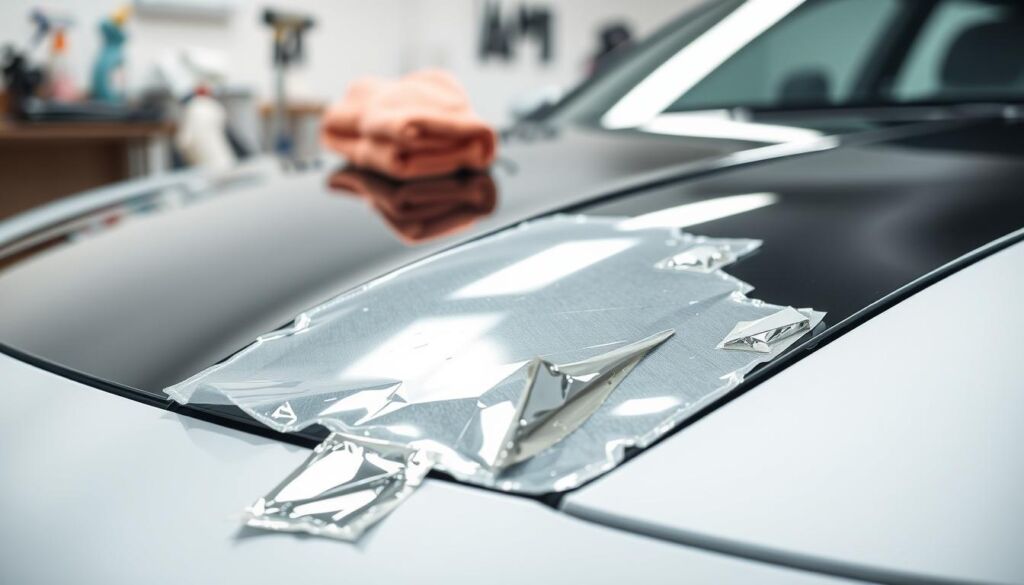
Wrong cleaning products or methods can harm your car’s PPF. Stay away from harsh chemicals and abrasive stuff. Also, don’t use high-pressure washes.
Use mild soap and soft, microfiber cloths instead. This way, you clean the film gently.
Additional Care Steps Required for Longevity
To make your PPF last longer, check it often. Look for any damage like tears or delamination. Fix these problems right away.
Also, don’t park your car in direct sunlight for too long. UV rays can make the film yellow or brittle.
How Maintenance Differs from Non-Protected Vehicles
PPF-protected cars need special care. Don’t use automatic car washes with brushes. They can hurt the film.
When waxing, use a wax that’s safe for PPF. This prevents damage or color change.
As “The maintenance of PPF-protected vehicles is a critical aspect of ensuring the longevity of the film.” Right cleaning and care keep your car looking great.
“Proper maintenance is key to extending the life of Paint Protection Film and maintaining its effectiveness.”
By knowing and doing these special care steps, you can enjoy your PPF for many years.
When Protection Fails: Damage and Repair Complications
PPF gives great protection, but it’s not perfect. It can’t stop all kinds of damage to your vehicle.
Types of Damage PPF Cannot Prevent
PPF helps with small scratches and rock chips. But, it can’t protect against:
- Big impacts or crashes
- Extreme weather like hail
- Bad road conditions like potholes
Knowing its limits helps you understand what PPF can do.
The Challenges of Partial Film Replacement
Fixing damaged PPF can be hard. It’s tough to make the repair look perfect because:
- Films of different ages and wear
- Changes in paint color and finish over time
Addressing Damage Beneath the Film
Damage under the PPF, like rust or paint issues, is hard to fix. You have to remove the film to see and fix the problem. This makes the repair more expensive and complicated.
Knowing these issues is important before you get PPF for your car. It helps, but it’s not a replacement for regular care and safe driving.
The Removal Process: Potential Risks to Your Paint
As PPF gets older, taking it off gets harder. It can hurt your paint. Removing Paint Protection Film is not easy like taking off a sticker. You need to be careful and use the right methods to not damage the paint.
Aging Film Creates Removal Problems
Old PPF sticks more to your paint. This makes it hard to take off without hurting your car. The longer it stays, the bigger the chance of tearing the film or leaving sticky stuff on your car’s paint.
Experts say, “Taking off PPF wrong can cost a lot. You might have to repaint some parts.”
“The removal process needs patience and the right tools to not hurt the car’s paint,” said a top detailer.
The Importance of Professional Removal Services
It’s very important to get help from pros when removing PPF. They know how to take it off safely without hurting the paint.
| Removal Method | Risks Involved | Professional Assistance |
|---|---|---|
| DIY Removal | Damage to paint, tearing of film | No |
| Professional Removal | Minimal risk, safe removal | Yes |
How Shell Shocked Wraps Safely Removes PPF
Shell Shocked Wraps uses special ways and tools to safely remove PPF. Their skilled team knows how to remove it carefully to protect your car’s paint.
Choosing Shell Shocked Wraps for removal helps avoid risks. Your car will stay in great shape.
Coverage Decisions: Balancing Protection and Investment
Choosing how much Paint Protection Film to use on your car is important. You must think about how much protection you need and how much it will cost. You can pick between covering just some parts or the whole car.
Partial vs. Full Coverage Considerations
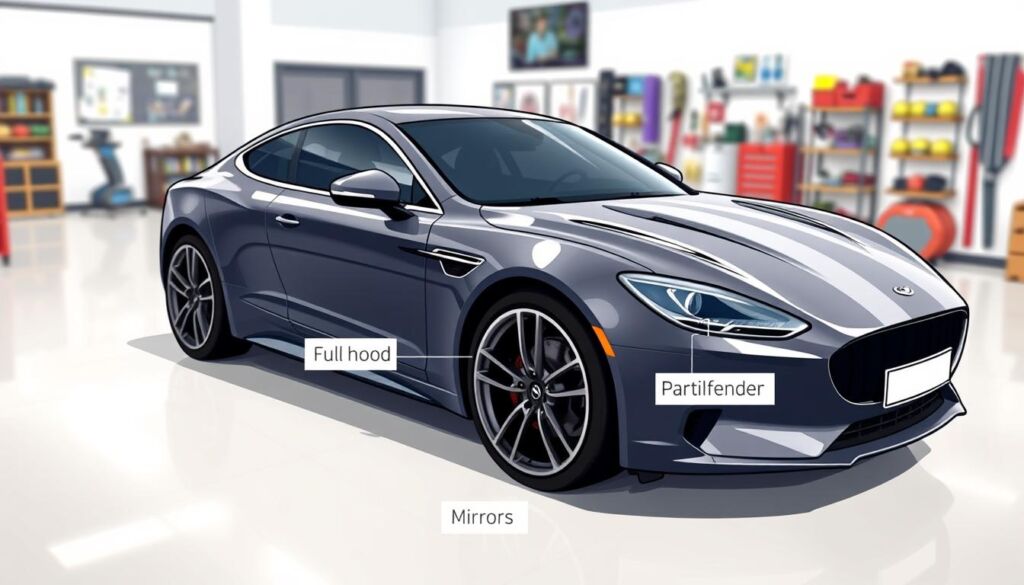
Partial coverage protects areas like the hood and side mirrors. It’s good for where damage is most likely. Full coverage covers the whole car. It’s more expensive but gives better protection.
You should think about how you use your car and your budget. This will help you decide.
Identifying the Most Critical Areas for Protection
Knowing which parts of your car are most at risk is key. The front bumper, hood, and side panels get hit by debris often. Focusing on these areas can save money and still protect your car well.
Custom Solutions for Different Vehicle Types
Every car is different. Sports cars need more coverage because they’re low to the ground. SUVs have more exposed parts that need protection. Tailoring your PPF to your car’s needs can make your investment worth it.
Thinking carefully about your choices and the limits of PPF helps. This way, you can find a balance between protection and cost.
Conclusion: Making an Informed Decision About Paint Protection Film
Now you know more about Paint Protection Film. It’s important to know its downsides before deciding to use it on your car. The bad things about PPF, like hard installation, looks, and how long it lasts, need to be thought about.
Think about the orange peel effect, less shine, and special care needed. Also, know the risks of taking it off and fixing damage under the film.
Choosing to use PPF should be a smart decision. Know both the good and bad sides. This way, you can pick the best option for your car and what you like. It helps protect your car well.