

When it comes to window tinting placement, many car owners are unsure about the correct procedure.
Applying window tint correctly is crucial for both aesthetic and functional reasons. Incorrect placement can lead to reduced effectiveness and a less-than-desired appearance.
Understanding where to place window tint is essential for achieving the desired results, whether it’s for UV protection, heat reduction, or style enhancement.
Key Takeaways
- Correct window tint placement is crucial for effectiveness and appearance.
- Understanding the proper procedure ensures desired results.
- Window tinting placement affects UV protection and heat reduction.
- Proper placement enhances the overall style of the vehicle.
- Incorrect placement can lead to reduced functionality.
Understanding Window Tint Basics
To make informed decisions about window tint installation, it’s essential to understand the basics of window tint. Window tinting has become a popular modification for vehicles, offering benefits such as reduced heat, increased privacy, and protection from UV rays.
As we explore the world of window tint, it’s crucial to start with the fundamentals. This includes understanding what window tint is and the different types of window tint films available.
What Is Window Tint?
Window tint is a thin, laminated film applied to the glass of vehicles or buildings. It’s designed to block out sunlight, reduce heat, and increase privacy. According to a leading manufacturer, “
Window tinting is not just about aesthetics; it’s about creating a more comfortable and secure environment.
“
The film is typically made from a polyester material that’s coated with various layers, including adhesive, scratch-resistant, and UV-protective layers. The combination of these layers determines the tint’s effectiveness and durability.
Common Types of Window Tint Films
There are several types of window tint films available, each with its unique characteristics and benefits. These include:
- Dyed window tint: Known for its affordability and ability to reduce glare.
- Metalized window tint: Offers excellent heat rejection and durability.
- Ceramic window tint: Provides superior UV protection and heat rejection without the metallic appearance.
- Carbon window tint: Combines the benefits of dyed and metalized tints, offering a sleek appearance and improved performance.
Understanding these different types of window tint films is crucial for selecting the right window tint for your needs, whether it’s for a car or a building.
Does Car Window Tint Go on the Inside or Outside?
Car owners often wonder whether window tint should be applied on the inside or outside of their vehicle’s glass surfaces. The application method can significantly impact the tint’s performance and longevity.
The Standard Approach: Inside Application
The standard practice for applying car window tint is on the inside surface of the glass. This approach offers several advantages, including protection from external elements and reduced risk of damage.
Applying tint on the inside:
- Protects the tint from weather conditions
- Reduces the risk of peeling or bubbling
- Enhances the overall durability of the tint
Exceptions: When Tint Goes on the Outside
While the inside application is standard, there are specialized cases where tint is applied on the outside. These include specific types of films designed for exterior use, such as certain ceramic or metallic tints that provide unique benefits.
| Application Method | Benefits | Limitations |
|---|---|---|
| Inside Application | Enhanced durability, easier to maintain | Limited to standard tint types |
| Outside Application | Specialized benefits (e.g., improved heat rejection) | More prone to damage, requires specific films |
The Science Behind Window Tint Placement
Window tint placement is not arbitrary; it’s grounded in the science of how the tint interacts with the glass to provide protection and other benefits. The effectiveness of window tint is largely determined by its placement, which is influenced by the interaction between the tint and the glass.

How Window Tint Interacts With Glass
When window tint is applied to glass, it forms a thin layer that interacts with sunlight and heat. The tint is designed to absorb or reflect certain wavelengths of light, thereby reducing the amount of heat that enters the vehicle or building. This interaction is crucial for understanding why the placement of tint is important.
The type of window tint used can also affect how it interacts with glass. For instance, dyed and ceramic window tints have different properties that influence their performance and the benefits they offer.
Protection Mechanisms of Properly Installed Tint
A properly installed window tint provides several protection mechanisms. It blocks harmful UV rays, reducing the risk of skin damage and fading of interior furnishings. Additionally, it helps to regulate the temperature inside the vehicle or building, reducing the need for air conditioning and thereby improving energy efficiency.
The protective layer formed by the window tint also enhances the durability of the glass by holding it together in the event of breakage, thus providing an additional layer of safety.
Inside Window Tint: Benefits and Installation Process
Applying window tint on the inside of the glass is a popular choice among car owners due to its numerous benefits. This method has become a standard practice in the industry, offering improved durability and effectiveness compared to exterior applications.
As experts recommend, inside window tint application provides several advantages, including enhanced UV protection, reduced heat gain, and increased privacy. Moreover, it helps in preserving the interior of the vehicle by preventing fading and damage caused by direct sunlight.
Advantages of Interior Tint Application
The interior application of window tint offers several benefits:
- Improved durability due to reduced exposure to environmental elements
- Enhanced aesthetic appeal with a sleek, uniform appearance
- Better protection against UV rays, reducing interior fading
- Increased privacy and security by limiting visibility into the vehicle
- Reduced heat gain, improving comfort and reducing the need for air conditioning
According to a study, “Window tinting can block up to 99% of UV rays, significantly reducing the risk of skin cancer and cataracts” (Source: National Highway Traffic Safety Administration). This highlights the importance of proper window tinting for both comfort and health.
Step-by-Step Interior Installation Process
Installing window tint on the inside of the glass requires precision and care. Here is a step-by-step guide to help you achieve professional results:
- Prepare the window surface by cleaning it thoroughly with a mild detergent and drying it with a lint-free cloth.
- Measure and cut the tint film to the correct size, leaving a few millimeters of extra material around the edges.
- Apply the tint film to the inside of the glass, starting from the center and working your way outward to remove any air bubbles.
- Use a squeegee to smooth out the film and remove any excess water or air bubbles.
- Trim the excess film around the edges using a sharp utility knife.
- Inspect the installation for any imperfections and address them promptly.
By following these steps and using high-quality materials, you can achieve a professional-looking window tint installation that enhances your vehicle’s appearance and functionality.
Outside Window Tint: When and Why It’s Used
Exterior window films are designed for specific applications that can’t be met by interior tinting alone. While the majority of window tinting is done on the inside of the glass, there are unique situations where applying tint on the outside is not only beneficial but necessary.
Specialized Exterior Films and Their Purposes
Exterior window films are engineered to withstand harsh weather conditions and provide additional protection against the elements. These films are typically used in high-rise buildings or areas exposed to extreme weather. They help in reducing heat gain, blocking UV rays, and minimizing glare.
Some of the specialized exterior films include:
- Coatings that reflect solar radiation to reduce cooling costs
- Films designed to withstand severe weather conditions, such as hurricanes
- UV-blocking films that protect furnishings from fading
Installation Considerations for Exterior Films
Installing exterior window films requires specialized skills and equipment due to the challenges posed by working at heights and exposure to the elements. It’s crucial to ensure that the film is properly applied to avoid bubbles, creases, or peeling.
Key considerations include:
- Assessing the condition of the glass to ensure it’s suitable for exterior film application
- Choosing the right type of film for the specific needs of the building or vehicle
- Ensuring the installation is done by professionals with experience in exterior window tinting
By understanding the purposes and installation requirements of outside window tint, property owners can make informed decisions about their window treatment options.
Professional vs. DIY Window Tint Installation
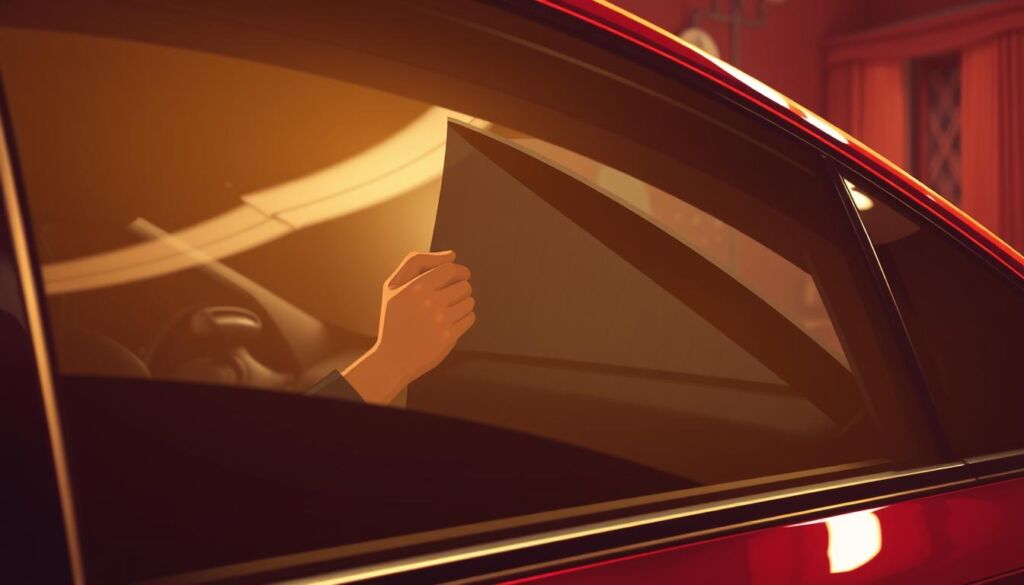
When it comes to window tinting, one of the most critical decisions is whether to opt for professional installation or take the DIY route. Both methods have their advantages and disadvantages, which can significantly impact the outcome and longevity of your car’s window tint.
What Professional Installation Offers
Professional window tint installation offers several benefits, including high-quality application, durability, and warranty. Professionals have the experience and equipment to ensure a bubble-free, even application that lasts longer.
Key advantages of professional installation include:
- Expertise in handling various types of window tint films
- Access to high-quality materials
- Warranty coverage for the installation
- Time-saving for the car owner
DIY Tinting: Challenges and Considerations
On the other hand, DIY window tinting can be a cost-effective option for those willing to invest time and effort. However, it comes with its own set of challenges, such as achieving a bubble-free application and dealing with potential edge peeling.
Some key considerations for DIY tinting include:
- The need for careful preparation and cleaning of the window surface
- The potential for application errors, such as bubbles or wrinkles
- Limited access to high-quality tint films
- No warranty coverage for the installation
In conclusion, while both professional and DIY window tint installations have their merits, the choice ultimately depends on your priorities regarding quality, cost, and convenience.
Common Window Tint Installation Mistakes to Avoid
Window tint installation requires precision and attention to detail to avoid common mistakes. A successful installation depends on several factors, including proper preparation, accurate application, and appropriate post-installation care.
Preparation Errors
Preparation is key to a successful window tint installation. Common preparation errors include:
- Failing to clean the window surface thoroughly
- Not measuring the window correctly
- Ignoring the manufacturer’s instructions
To avoid these mistakes, ensure the window is clean and dry before application. Measure the window carefully, and always follow the manufacturer’s guidelines.
Application Blunders
During the application process, several common mistakes can occur:
- Applying the tint with air bubbles or wrinkles
- Not aligning the tint properly with the window frame
- Using the wrong tools for the application
To prevent these issues, use the right tools, such as a squeegee, and apply the tint slowly and carefully. Ensure the tint is aligned correctly before smoothing it out.
Post-Installation Mistakes
After installing the window tint, it’s crucial to avoid certain mistakes to ensure its longevity:
- Cleaning the tint with inappropriate materials
- Not allowing the tint to cure properly
- Ignoring signs of damage or deterioration
Use recommended cleaning products and methods, allow the tint to cure as instructed by the manufacturer, and regularly inspect the tint for any signs of damage.
By being aware of these common mistakes and taking steps to avoid them, you can ensure a successful window tint installation that provides the desired benefits for years to come.
Legal Considerations for Window Tinting in the United States
The legality of window tinting in the U.S. is a complex issue, governed by state-specific laws and regulations. As such, understanding these legal considerations is crucial for vehicle owners who wish to tint their windows without facing legal repercussions.
Window tinting laws are not uniform across the country; instead, they vary significantly from one state to another. This variability makes it essential for vehicle owners to familiarize themselves with the specific regulations in their state.
State-by-State Tint Regulations
Different states have different requirements regarding the darkness and reflectivity of window tints. For instance, some states allow very dark tints, while others have strict limits on how dark a tint can be. It’s crucial to check your state’s Department of Motor Vehicles (DMV) website for the most accurate and up-to-date information.
Some states also have specific rules about the reflectivity of window tints. Reflective tints can be more noticeable and are often regulated to prevent glare that could affect other drivers. As noted by the Federal Trade Commission, “certain types of window tints can impact the visibility and safety of vehicles on the road.”
“The laws regarding window tinting are in place to ensure safety on the roads. Understanding and complying with these regulations is not just about avoiding fines; it’s about contributing to a safer driving environment.” –
Consequences of Non-Compliance
Failing to comply with state regulations regarding window tinting can result in several consequences. These can include fines, mandatory removal of the tint, and in some cases, even vehicle inspection failures. Repeated offenses might lead to more severe penalties, such as increased fines or even court appearances.
To avoid these consequences, it’s advisable to:
- Research your state’s window tinting laws thoroughly.
- Consult with a professional window tint installer who is aware of the local regulations.
- Ensure your vehicle complies with state laws regarding window tint darkness and reflectivity.
By taking these steps, vehicle owners can enjoy the benefits of window tinting while staying within the bounds of the law.
Maintaining and Caring for Your Window Tint
Proper care and maintenance are essential for maximizing the durability of your window tint. A well-maintained window tint not only looks better but also functions more effectively over time.
Proper Cleaning Techniques
To keep your window tint in good condition, it’s crucial to use the right cleaning methods. Avoid using harsh chemicals or abrasive materials that can damage the tint. Instead, opt for a mild soap solution and a soft, lint-free cloth. Gently wipe the tinted surface, starting from the top and working your way down to prevent dirt and debris from being dragged across the film.
Regular cleaning is recommended, especially after exposure to salt, dust, or other contaminants that can adhere to the tint. For more stubborn spots, a specialized window cleaning product designed for tinted windows can be used.
Signs Your Window Tint Needs Replacement
Despite proper care, window tint has a limited lifespan. Signs that it’s time to replace your window tint include peeling, bubbling, or significant discoloration. If you notice any of these issues, it’s likely that the tint is no longer providing the desired level of UV protection or heat rejection.
Other indicators for replacement include visible scratches or damage that compromise the tint’s integrity or obstruct your view. Regular inspections can help you identify these issues early on.
By following these maintenance tips and being aware of the signs that indicate the need for replacement, you can ensure your window tint continues to perform optimally and lasts as long as possible.
Conclusion
Understanding whether car window tint goes on the inside or outside is crucial for effective window tinting. As discussed, the standard approach is to apply tint on the inside of the glass, but there are exceptions where exterior application is necessary.
Proper installation of car window tint, whether inside or outside, significantly impacts its performance and longevity. Correct window tinting placement not only enhances the aesthetic appeal of your vehicle but also provides protection against UV rays and heat.
To ensure you reap the benefits of window tinting, it’s essential to follow the correct installation process. Whether you opt for professional installation or decide to do it yourself, being aware of the potential pitfalls and taking steps to avoid them will result in a successful tinting experience.
By choosing the right window tint and ensuring its proper installation, you can enjoy a more comfortable driving experience, improved fuel efficiency, and enhanced vehicle privacy.