

Getting your car’s windows tinted can be a great way to enhance its appearance and protect the interior from the sun’s harsh rays. However, one common question many car owners have is about the time it takes for the tinting process.
Car tinting time can vary significantly depending on the type and size of the vehicle. Factors such as the number of windows, the complexity of the job, and the equipment used by the installer can all impact the overall vehicle window tinting time.
Understanding these factors can help you plan and prepare for your car’s window tinting. In this article, we’ll explore the different factors that affect tinting time and provide real times for various vehicle types.
Key Takeaways
- The time it takes to tint a car varies by vehicle type and size.
- Factors such as the number of windows and complexity of the job impact tinting time.
- Different vehicle types have different tinting times.
- Understanding these factors can help you plan for your car’s window tinting.
- Real times for various vehicle types will be provided in this article.
The Basics of Car Window Tinting
Understanding the basics of car window tinting is essential for anyone considering this upgrade. Car window tinting involves applying a thin, specialized film to the vehicle’s windows.
What Is Car Window Tinting?
Car window tinting is a process that applies a thin layer of film to the vehicle’s glass windows. This film is designed to block out certain wavelengths of light, reducing heat and glare while providing UV protection.
Benefits of Window Tinting
Window tinting offers several benefits, including UV protection, heat reduction, privacy, and security. The benefits can be broken down into two main categories: comfort and safety.
UV Protection and Heat Reduction
One of the primary benefits of window tinting is its ability to block harmful UV rays and reduce heat inside the vehicle. This not only protects the occupants but also helps in preserving the interior.
Privacy and Security
Tinted windows provide an additional layer of privacy by making it harder for outsiders to see into the vehicle. Moreover, in the event of an accident, the film can help hold the glass together, enhancing safety.
| Benefit | Description |
|---|---|
| UV Protection | Blocks harmful UV rays, protecting occupants and interior |
| Heat Reduction | Reduces heat inside the vehicle, improving comfort |
| Privacy | Makes it harder for outsiders to see into the vehicle |
| Security | Helps hold glass together in the event of an accident |
Factors That Affect Car Tinting Time
The time it takes to tint a car can vary significantly based on several key factors. Understanding these factors can help car owners plan and prepare for their window tinting appointment.
Vehicle Size and Type
The size and type of vehicle play a crucial role in determining the tinting time. Larger vehicles, such as SUVs and vans, require more time due to their larger surface area. Conversely, smaller vehicles like sedans and coupes require less time.
Number and Complexity of Windows
The number and complexity of windows on a vehicle also impact tinting time. Vehicles with more windows or complex window shapes, such as curved or angled windows, require more time and skill to tint properly.
Tint Film Quality and Type
The quality and type of tint film used can affect the application time. High-quality films are generally easier to apply and less prone to bubbles, while lower-quality films may require more time and effort.
Professional Experience Level
The experience level of the professional applying the tint significantly impacts the application time. More experienced technicians can work more efficiently and effectively, reducing the overall time required.
| Factor | Impact on Tinting Time |
|---|---|
| Vehicle Size | Larger vehicles take longer |
| Window Complexity | Complex windows require more time |
| Tint Film Quality | High-quality films are faster to apply |
| Professional Experience | More experienced technicians work faster |
How Long Does It Take to Put Tint on a Car? Average Timeframes
The time it takes to tint a car can vary significantly based on several factors, including the type of vehicle, the number of windows, and whether you’re opting for a professional installation or a DIY approach.
Professional Installation Times
Professional installation times typically range from 2 to 5 hours, depending on the complexity of the job. Experienced installers can work more efficiently, having honed their skills on various vehicle types. As noted by a professional installer, “It’s not just about applying the tint; it’s about doing it precisely and efficiently.”
DIY Installation Times
For those attempting a DIY installation, the time required can be significantly longer, typically ranging from 4 to 10 hours. This extended timeframe is due to the learning curve involved and the potential for mistakes.
First-Time vs. Experienced Installer Differences
The difference between a first-time installer and an experienced one is substantial. Experienced installers can complete the job much faster due to their familiarity with the process and the ability to troubleshoot common issues. As LLumar, a leading window film manufacturer, suggests, “Experience matters when it comes to window tinting. The more you do it, the faster and more efficient you become.”
In conclusion, understanding the timeline for car window tint installation is crucial for planning. Whether you choose professional installation or DIY, being aware of the timeframes and factors that influence them can help you prepare for the process.
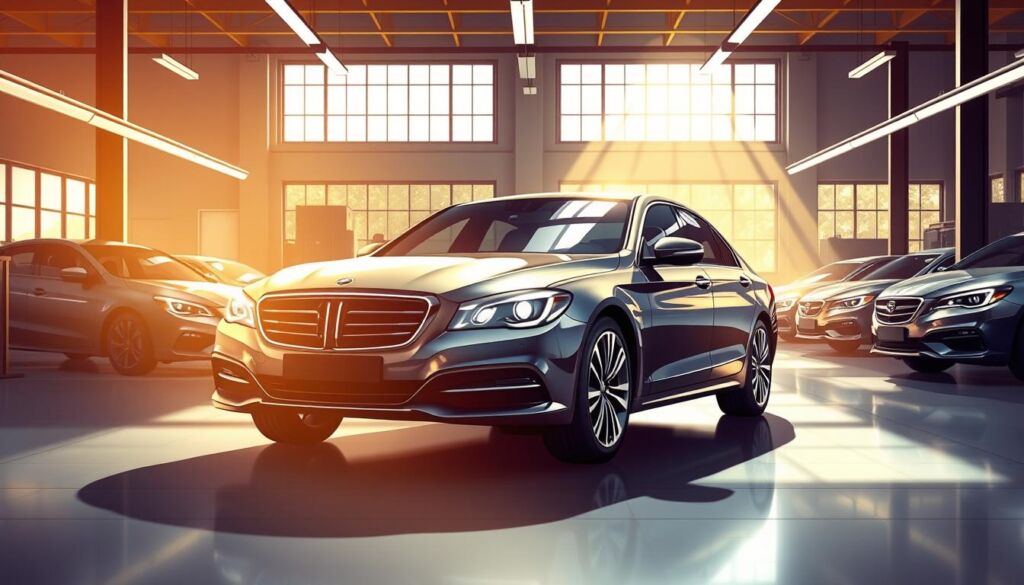
Tinting Times for Sedans
For sedan owners considering window tinting, understanding the average application duration is crucial. Sedans come in various sizes, from compact to luxury, and each category has its own tinting time requirements.
Compact Sedans: 1.5-2 Hours
Compact sedans, such as the Honda Civic and Toyota Corolla, typically require less time for window tinting due to their smaller size. On average, the tinting process for these vehicles takes around 1.5 to 2 hours.
Mid-Size Sedans: 2-3 Hours
Mid-size sedans, including models like the Honda Accord and Toyota Camry, have slightly larger windows and more complex window configurations. As a result, the tinting time for these vehicles ranges from 2 to 3 hours.
Luxury Sedans: 2.5-3.5 Hours
Luxury sedans, such as the BMW 3 Series and Mercedes C-Class, often feature more intricate window designs and larger glass areas. Consequently, the tinting process for luxury sedans can take anywhere from 2.5 to 3.5 hours.
| Sedan Type | Average Tinting Time (Hours) | Examples |
|---|---|---|
| Compact Sedans | 1.5-2 | Honda Civic, Toyota Corolla |
| Mid-Size Sedans | 2-3 | Honda Accord, Toyota Camry |
| Luxury Sedans | 2.5-3.5 | BMW 3 Series, Mercedes C-Class |
Understanding these average tinting times can help sedan owners plan their window tinting appointments more effectively.
Tinting Times for SUVs and Crossovers
When it comes to tinting SUVs and crossovers, the time required can differ based on the vehicle’s size and complexity. SUVs and crossovers come in various sizes, from compact models like the Honda CR-V to full-size models like the Chevrolet Tahoe. Understanding the average tinting time for these vehicles can help owners plan their maintenance schedule more effectively.
Compact SUVs
Compact SUVs, such as the Honda CR-V and Toyota RAV4, typically require 2-3 hours for window tinting. Their smaller size and fewer, less complex windows make the tinting process relatively quicker.
Mid-Size SUVs
Mid-size SUVs, including models like the Ford Explorer and Jeep Grand Cherokee, generally take 3-4 hours to tint. The additional time is due to their larger size and potentially more complex window designs.
Full-Size SUVs
Full-size SUVs, such as the Chevrolet Tahoe and Ford Expedition, require the most time, typically ranging from 4-5 hours. Their larger windows and more complex tinting requirements contribute to the longer duration.
| SUV Size | Average Tinting Time | Examples |
|---|---|---|
| Compact | 2-3 hours | Honda CR-V, Toyota RAV4 |
| Mid-Size | 3-4 hours | Ford Explorer, Jeep Grand Cherokee |
| Full-Size | 4-5 hours | Chevrolet Tahoe, Ford Expedition |
By understanding these average tinting times, SUV owners can better plan their appointments and ensure a smooth, efficient tinting process.
Tinting Times for Trucks and Vans
Understanding the tinting time for trucks and vans is crucial for vehicle owners planning to get their windows tinted. The time required can vary based on the type and size of the vehicle.
Pickup Trucks: 1-3 Hours
Pickup trucks, such as the Ford F-150 and Chevrolet Silverado, typically require between 1 to 3 hours for window tinting. The exact time can depend on the truck’s size and the number of windows.
Minivans: 3-5 Hours
Minivans like the Honda Odyssey and Toyota Sienna generally take longer, requiring 3 to 5 hours for tinting due to their larger window areas.
Cargo Vans: 4-6 Hours
Cargo vans, including the Ford Transit and Mercedes Sprinter, can take the longest, with tinting times ranging from 4 to 6 hours, depending on the van’s size and configuration.
| Vehicle Type | Tinting Time | Examples |
|---|---|---|
| Pickup Trucks | 1-3 Hours | Ford F-150, Chevrolet Silverado |
| Minivans | 3-5 Hours | Honda Odyssey, Toyota Sienna |
| Cargo Vans | 4-6 Hours | Ford Transit, Mercedes Sprinter |
The Professional Tinting Process: Step-by-Step Timeline
The process of applying tint to car windows involves several meticulous steps that professionals follow to ensure a flawless finish. This process can be broken down into three main phases: preparation, application, and finishing.
Preparation Phase (30-60 minutes)
Before the actual tinting begins, professionals undertake a thorough preparation phase. This involves two critical steps:
Window Cleaning and Surface Preparation
Technicians meticulously clean the windows to remove any dirt, dust, or residue that could interfere with the tint’s adhesion. Proper surface preparation is crucial for a successful tinting job.
Measuring and Cutting Film
The next step is to measure the windows accurately and cut the tint film to the correct size. This requires precision to minimize waste and ensure a perfect fit.
Application Phase (1-3 hours)
With the preparation complete, the application phase begins. This phase involves:
Film Application Techniques
Professionals apply the tint film using specialized techniques to avoid air bubbles and ensure even coverage. The quality of the application directly affects the final result.
Smoothing and Bubble Removal
Once the film is applied, technicians use specialized tools to smooth out any bubbles or wrinkles, ensuring a smooth, even finish.
Finishing and Quality Check (30 minutes)
The final phase involves inspecting the work to ensure it meets high standards. Technicians check for any imperfections, such as bubbles or misaligned film, and make necessary adjustments.
By understanding the professional tinting process, car owners can appreciate the skill and attention to detail required to achieve high-quality window tinting.
DIY vs. Professional Tinting: Time Comparison
The choice between DIY and professional car window tinting can significantly impact the overall time and quality of the installation process. When considering window tinting, car owners must weigh the benefits and drawbacks of each approach, particularly in terms of time efficiency.
DIY Tinting Timeline and Learning Curve
DIY tinting can be a time-consuming process, especially for those without prior experience. The learning curve can be steep, requiring several hours to understand the techniques and materials involved. On average, a DIY installation can take anywhere from 4 to 10 hours, depending on the complexity of the job and the individual’s skill level.
Professional Tinting Efficiency
Professional tinting, on the other hand, is generally faster and more efficient. Experienced installers can complete the job in significantly less time, typically between 2 to 5 hours, depending on the vehicle type and tint quality. Their expertise ensures a smoother, bubble-free application.
Time-Saving Benefits of Professional Installation
Opting for professional installation can save car owners a considerable amount of time and effort. Professionals have the necessary skills and equipment to complete the job quickly and accurately, allowing car owners to enjoy their newly tinted windows without the hassle of a lengthy DIY process.

Post-Installation Waiting Period: Curing Times Explained
After installing window tint, it’s crucial to understand the curing process to ensure longevity and quality. The curing process is not just about the tint drying; it’s about the adhesive fully bonding with the glass.
Initial Drying Period
The initial drying period typically lasts between 24 to 48 hours. During this time, it’s essential to keep the windows rolled up and avoid getting the tint wet. This period allows the tint to start adhering to the glass.
Full Curing Timeline
The full curing timeline can vary significantly, ranging from 7 to 30 days. This variation is due to several factors that influence how quickly the adhesive fully cures.
Factors That Affect Curing Time
Several factors can affect the curing time of your window tint. Understanding these can help you manage the post-installation waiting period more effectively.
Climate and Temperature
Climate and temperature play a significant role in the curing process. Warmer temperatures can speed up the curing process, while cooler temperatures can slow it down. As noted by a leading tint manufacturer, “Optimal curing temperatures range between 60°F to 90°F (15°C to 32°C) for most tint films.”
“The quality of the tint film directly impacts the curing time. High-quality films are designed to cure more consistently and quickly.” –
Tint Film Quality
The quality of the tint film is another critical factor. High-quality films not only provide better UV protection and heat rejection but also tend to have more consistent curing times.
By understanding these factors and allowing the appropriate curing time, you can ensure that your window tint performs optimally and lasts longer.
Common Issues That Can Extend Tinting Time
Several common challenges can arise during the car window tinting process, potentially extending the time needed for completion. Understanding these issues can help set realistic expectations for your tinting appointment.
Complex Window Shapes and Curved Glass
Vehicles with complex window shapes or curved glass require more time and skill to tint properly. The unique angles and curves demand precision, making the installation process more labor-intensive.
Removing Old Tint
If your vehicle already has tint on its windows, removing the old tint can add 1-3 hours to the overall process. This step involves carefully peeling off the existing film without leaving residue or damaging the glass.
Weather and Environmental Conditions
Adverse weather conditions, such as high humidity or extreme temperatures, can affect the tinting process. These conditions can impact the adhesive properties of the tint, making it more challenging to apply correctly.
Vehicle-Specific Challenges
Some vehicles have unique features that can complicate the tinting process. For example, certain models may have complex window designs or specific requirements for tint application.
Planning Your Tinting Appointment: Scheduling Tips
To ensure a smooth tinting experience, it’s essential to plan your appointment carefully. Proper planning can help you avoid delays and ensure that your vehicle is properly prepared for the tinting process.
Best Time of Year for Window Tinting
The best time for window tinting can depend on your location and climate. Generally, it’s recommended to avoid extreme temperatures. For instance, very hot or cold weather can affect the adhesive properties of the tint. Spring and fall are often considered ideal seasons for window tinting in many regions.
How to Prepare Your Vehicle
Preparing your vehicle for tinting can save time and ensure a better result. Here are some steps you can take:
- Clean the interior and exterior of your windows thoroughly.
- Remove any accessories that might interfere with the tinting process.
- Ensure your vehicle is free from dust and debris.
What to Expect During Your Appointment
During your tinting appointment, the technician will start by cleaning your windows and then applying the tint. The process typically involves:
- A thorough cleaning of the windows.
- Measuring and cutting the tint to fit your windows.
- Applying the tint and ensuring it’s properly aligned and free of bubbles.
For more detailed information on the tinting process, you can visit this page to learn about the longevity of window tint.
Post-Installation Care Schedule
After the tint is installed, proper care is crucial to ensure its longevity. Here’s a simple care schedule:
| Timeframe | Care Instruction |
|---|---|
| First 24 hours | Avoid rolling down windows or cleaning the tint. |
| 2-7 days | Gently clean the tint with a mild soap solution. |
| After 7 days | Regular cleaning with appropriate products is recommended. |
By following these tips and understanding what to expect, you can ensure a successful tinting appointment and enjoy the benefits of your new window tint for years to come.
Conclusion
Understanding the time it takes to tint a car is crucial for planning and budgeting your vehicle customization project. As discussed, the window tinting timeframes vary significantly based on the vehicle type, size, and complexity of the windows.
For most vehicles, the general range for car window tinting is about 2 to 4 hours. Specifically, a 2-Door Coupe can take around 1.5 to 2 hours, while a 4-Door Sedan may require 2 to 3 hours. SUVs or Minivans typically take longer, ranging from 3 to 4 hours or more, depending on the number of windows and their complexity.
It’s also essential to consider the post-installation drying times. It’s recommended to avoid rolling down your windows for at least 24-48 hours after installation, and full curing can take anywhere from 2 to 7 days. For more detailed information on car window tinting times, you can visit Shell Shocked Wraps.
In summary, understanding these timeframes helps you plan your tinting appointment effectively, ensuring a smooth and efficient experience.