

Protecting your car is very important. Paint Protection Film (PPF) is a great way to do this. Shell Shocked Wraps offers many services to keep your car safe. Knowing the difference between partial and full PPF coverage is key.
Deciding on partial or full PPF depends on your budget and how much protection you want. For expert advice on PPF, check out our PPF installation page. Thinking about your options helps keep your car in great shape.
Key Takeaways
- Understand the differences between partial and full PPF coverage.
- Consider your budget and desired level of protection.
- Prioritize high-impact zones like the front bumper and hood.
- Custom PPF solutions are available for unique vehicle designs.
- Professional installation yields better fit and protection.
Understanding Paint Protection Film (PPF)
Paint Protection Film (PPF) keeps your car’s paint safe from daily wear and tear. It’s a clear, strong film that sticks to your car’s paint. This film protects against road debris, small scratches, and dirt.
What is PPF and How Does it Work?
PPF is like a shield for your car’s paint. It takes the hit from things that could scratch your paint. It can even fix small scratches itself, keeping your car looking good.
The Evolution of Paint Protection Technology
PPF has gotten better over time. Now, it’s almost invisible and lasts longer. It protects your car’s paint without changing how it looks.
Why Vehicle Owners Choose PPF
People choose PPF for many reasons. They want to keep their car looking great and its value high.
Protecting Your Investment
PPF keeps your car’s paint safe. This means your car will keep its value better. A well-kept car is more valuable when you sell it.
Maintaining Aesthetic Appeal
PPF keeps your car looking new. It stops paint from fading and getting damaged. Your car will stay looking good for a long time.
Partial vs Full PPF: Defining Your Options
It’s important to know the difference between partial and full PPF coverage. This helps you choose the right protection for your car. You have two main choices: partial or full coverage.
What Constitutes Partial PPF Coverage
Partial PPF covers certain high-risk areas of your car. This includes:
- The front bumper, which gets hit by rocks and debris
- The hood, where bugs, tar, and stone chips can damage it
- The fenders, also at risk for rock chips and debris
Common Partial Coverage Areas
Partial coverage focuses on areas most likely to get damaged. For example, the front bumper is often covered because it faces road debris.
Popular Partial PPF Packages
Many places, like Shell Shocked Wraps, have pre-made partial PPF packages. These are designed for common car models and needs.
What Full PPF Coverage Entails
Full PPF wraps your whole car in protective film. This way, every part of your car’s paint is safe from damage.
Complete Vehicle Protection
Full PPF means your car’s paint is fully protected. This is great for keeping your car looking good over time.
Additional Protection Options
Some places also offer extra protection. This can include special coverage for certain parts or better materials for more durability.
| Coverage Type | Areas Covered | Benefits |
|---|---|---|
| Partial PPF | High-impact areas (front bumper, hood, fenders) | Cost-effective, targeted protection |
| Full PPF | Entire vehicle | Comprehensive protection, maintains vehicle appearance |
When choosing, think about the pros and cons of partial and full PPF. Knowing what each offers helps you pick the best for your car and budget.
The Benefits of Partial PPF Coverage
Partial PPF coverage is great for those on a budget. It protects your car without costing too much. This is because it focuses on the most important areas.
Cost-Effectiveness for Budget-Conscious Owners
Partial PPF is very affordable. It saves money by only covering high-risk spots. Consumer Reports says it’s a good choice for those who want to save money.
It’s a smart way to balance protection with budget constraints.
Protection for High-Impact Areas
It’s best for areas like the front bumper and hood. These spots get hit by debris a lot. So, covering them helps a lot.
Ideal Vehicles for Partial Coverage
Some cars are better for partial PPF. This includes:
- Daily commuters, which are more exposed to road debris
- Leased vehicles, where owners want to return the vehicle in good condition
Daily Commuters
For daily drivers, partial PPF is a good choice. It keeps the car safe from daily damage.
Leased Vehicles
Leased car owners also benefit. It makes sure the car looks good when returned, avoiding extra fees.
As noted by
“The automotive industry is shifting towards more protective measures for vehicles, and PPF is at the forefront of this trend.”
This shows how important PPF is becoming.
Advantages of Full PPF Installation
Choosing full PPF installation boosts your car’s protection and value. It covers your car’s paint fully. This keeps your car safe from damage.
Comprehensive Protection Benefits
Full PPF gives comprehensive protection to your car. It keeps your car safe from road debris, UV rays, and more. This is great for areas with bad weather or rough roads.
Long-Term Value Proposition
Full PPF is a long-term strategy that saves money. It keeps your car’s paint safe. This means you won’t need expensive fixes later.
Resale Value Enhancement
Full PPF makes your car more valuable when you sell it. Here’s why:
Preserving Factory Paint Condition
A car with original paint in great shape sells for more. Full PPF keeps your car’s paint looking new. This keeps its beauty.
Documentation Benefits for Resale
Having a full PPF record helps sell your car. It shows you care about keeping your car in good shape.
| Benefits | Partial PPF | Full PPF |
|---|---|---|
| Protection Coverage | Limited to high-impact areas | Entire vehicle |
| Resale Value Impact | Minimal | Significant |
| Long-Term Cost | Potential for more repairs | Reduced maintenance costs |
Comparing Partial vs Full PPF: Making an Informed Decision
To keep your car’s paint safe, you must know the difference between partial and full PPF. Each has its own benefits. The best choice depends on what you need and like.
Protection Coverage Comparison
Partial PPF guards high-risk spots like the front bumper and hood. It also protects side mirrors. It keeps out rock chips and debris. Full PPF, by contrast, covers your whole car. It guards against many environmental dangers.
- Partial PPF: Covers high-risk areas, ideal for budget-conscious owners.
- Full PPF: Provides complete coverage, suitable for those seeking maximum protection.
Durability and Longevity Differences
Both partial and full PPF are tough. But full PPF gives your car even more protection. This might make it last longer.
The longevity of PPF also depends on the film’s quality and how well it’s installed.
Aesthetic Considerations
Looks matter when picking between partial and full PPF. Both keep your car looking good. But full PPF makes sure your car looks the same everywhere.
Visible vs Invisible Protection
Some people like PPF because it doesn’t change how their car looks. But, choose based on what you need for protection, not just looks.
Maintaining Original Paint Appearance
Full PPF keeps your car’s paint looking new. It blocks UV rays, dirt, and small scratches. This is great for keeping your car’s value up.
Choosing between partial and full PPF depends on your car’s needs, your budget, and what you prefer. Think about these things to pick the best protection for your car.
Cost Analysis: Investment and Value
To decide on PPF, you must weigh costs and benefits. The price of PPF changes based on partial or full coverage.
Initial Investment Comparison
The first cost of PPF is key. Partial PPF coverage costs less, from $500 to $1,500. This depends on the areas covered. On the other hand, full PPF coverage can cost more, from $2,000 to $5,000 or more. This depends on your car’s size and the installer’s skill.
Long-Term Cost Considerations
Think about long-term costs too. Full PPF might save you money on future repairs and painting.
Return on Investment Calculations
When looking at investment return, think about savings on repairs and keeping your car’s value.
Repair Cost Savings
PPF can prevent expensive repairs from rock chips and small accidents. It keeps your car’s paint safe, avoiding costly repaints. Repaints can cost $500 to $3,000 or more.
Depreciation Prevention
A car with original paint holds its value better. PPF stops damage that lowers your car’s value, keeping it valuable.
| Coverage Type | Initial Cost | Long-Term Savings |
|---|---|---|
| Partial PPF | $500-$1,500 | $500-$1,000 |
| Full PPF | $2,000-$5,000 | $2,000-$4,000 |
Installation Process and Timeline Differences
The way PPF is installed can change a lot. It depends on if you pick partial or full coverage. Knowing this helps you understand the timeline and what happens during and after.
Partial PPF Installation Overview
Partial PPF covers just the high-impact areas. This means the front bumper, hood, and side mirrors. It takes less time and material than full coverage.
Full PPF Application Process
Full PPF covers your whole vehicle. It needs more time, precision, and material. This makes it a more detailed job.
Recovery and Curing Time Expectations
After it’s put on, the PPF needs time to settle and cure. This can take a few days to a week. It depends on the weather.
Post-Installation Care
It’s important to take good care after. Don’t wash your car for at least 24 hours. Also, stay away from very hot or cold places.
When You Can Resume Normal Vehicle Use
Once it’s cured, your car is ready to go. But, you must follow certain rules to keep the PPF in good shape.
| Installation Type | Time Required | Curing Time |
|---|---|---|
| Partial PPF | 4-6 hours | 3-5 days |
| Full PPF | 8-12 hours | 5-7 days |
Maintenance Requirements for Different Coverage Levels
To keep your vehicle safe, knowing about PPF maintenance is important. Cars with PPF need regular care to stay protected. The care needed can change based on if you have partial or full PPF.
Caring for Partially Protected Vehicles
For cars with partial PPF, focus on the covered parts during upkeep. Wash them with mild soap often. But, don’t use high-pressure washes near the film edges.
Maintaining Fully Protected Vehicles
For fully protected cars, the upkeep is similar. But, check the whole PPF for damage or lifting often. Also, waxing the film can keep it looking good.
Professional Maintenance Services
Getting professional help is good for any PPF level. They can do detailed checks and fixes.
Recommended Cleaning Products
Use mild soap and microfiber cloths for cleaning. Stay away from harsh chemicals or abrasive stuff.
When to Seek Professional Inspection
If you see damage or oddities, get a pro to check it. Regular checks help keep your PPF working well.
The Shell Shocked Wraps Professional Advantage
Shell Shocked Wraps is a family-run, veteran-owned business. They add a personal touch to their paint protection services. They use top-notch materials and have a lot of experience.
Family-Run, Veteran-Owned Expertise
The team at Shell Shocked Wraps has a lot of experience. Being veteran-owned means they pay close attention to detail. They make sure every job is done right.
“The team’s dedication to their craft is evident in every installation. Their attention to detail and commitment to quality are unparalleled.”
Premium Materials and Precision Installation
Shell Shocked Wraps uses only the best materials. Their installation process is precise. This ensures your car’s paint is protected without looking bad.
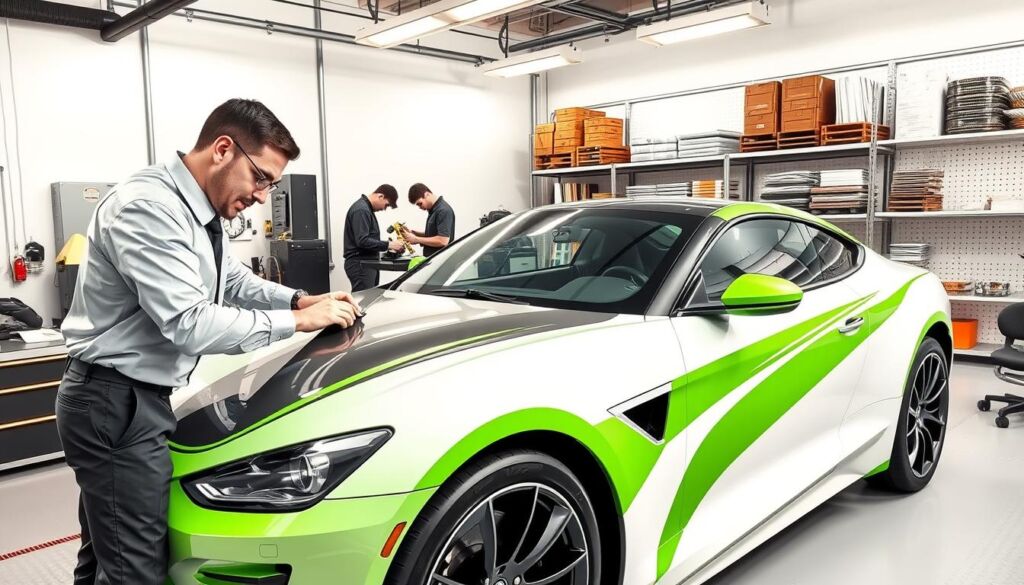
Our Exclusive 1-Year No-B.S. Warranty
Shell Shocked Wraps offers a 1-year warranty. This shows they are confident in their work and materials.
Customer Satisfaction Guarantee
They make sure every customer is happy. Their team is friendly and ready to help with any questions.
After-Service Support
They keep supporting you after the job is done. This helps your paint protection last longer. They really care about their customers.
| Feature | Shell Shocked Wraps | Competitors |
|---|---|---|
| Materials Quality | Premium | Variable |
| Warranty | 1-Year No-B.S. | Typically 6 months |
| After-Service Support | Comprehensive | Limited |
Conclusion: Protecting Your Vehicle’s Future
Choosing between partial and full PPF depends on your car’s needs and what you like. It’s important to know the differences to make a good choice. This choice should fit your budget and how much protection you want.
For expensive or luxury cars, full PPF is best. It keeps the car looking new and helps keep its value. But, if you drive a car every day, partial PPF might be cheaper. It protects the parts of the car that get hit the most.
Think about how you drive, your car’s value, and how much you can spend. For advice, go to a trusted installer like Prestige Auto Appearance. They can help you decide between partial and full PPF.
Keep your car’s paint safe and its value high by picking the right PPF. Get a consultation or ask for a quote today. This way, your car will get the best protection.