

Understanding Car Wraps
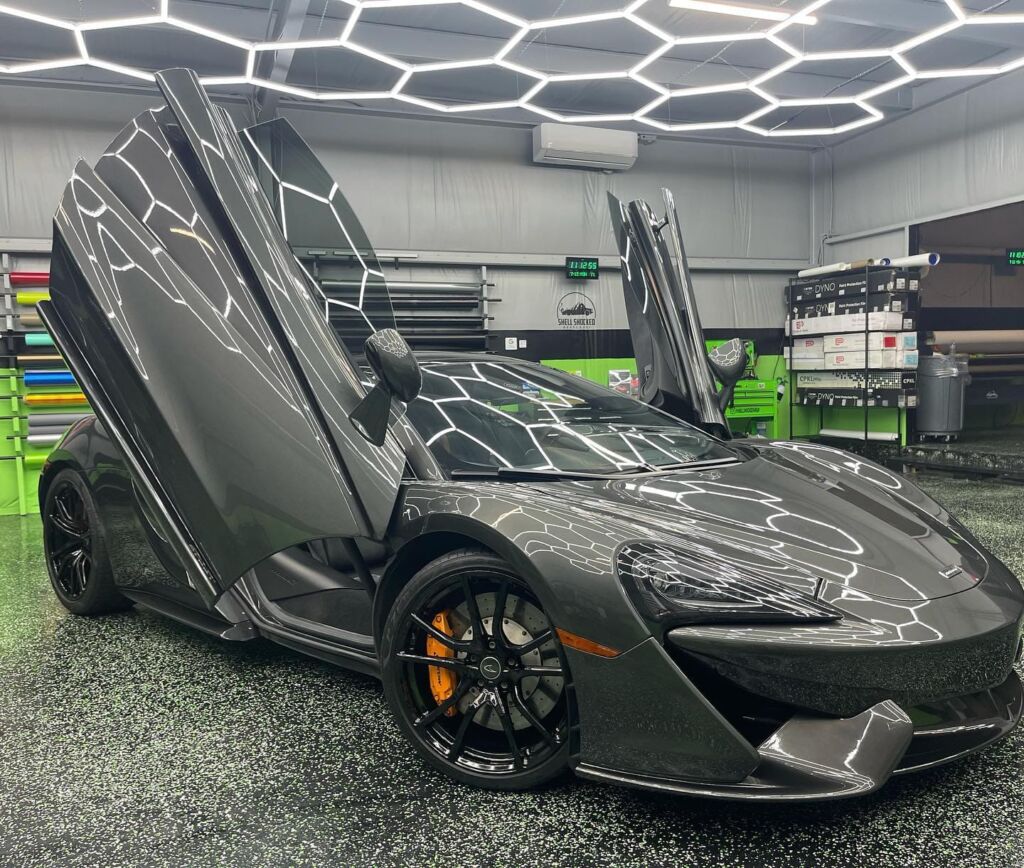
Car wraps are large sheets of thin, flexible vinyl that adhere to a vehicle’s painted surfaces. Unlike paint, which permanently alters the factory finish, a wrap sits on top of the existing coating and can be removed or replaced without damaging the underlying paint. This removable quality makes wraps ideal for temporary branding or seasonal looks. They can be applied to individual body panels or the entire vehicle, and are cut to precise shapes using computer‑generated templates.
In recent years, vinyl wrapping has grown from a niche practice into a mainstream way to personalize vehicles. Whereas body shops once painted everything from motorcycles to fleet vans, many owners now turn to wraps for color changes, custom designs and protective layers. Because a vinyl layer acts as a sacrificial skin, it can shield the original paint from chips, scratches and sun damage. Wrap films come in hundreds of colours and textures, from understated matte black to glossy pearlescent hues. Specialty films can mimic carbon fibre, brushed metal or even chameleon finishes that shift colour depending on viewing angle.
Another advantage is that wraps allow intricate graphics and patterns that would be difficult or expensive to achieve with paint. Digital printers can produce photorealistic images on vinyl, enabling everything from camouflage patterns to full‑colour advertisements. Because the material starts as a film, these graphics can be designed on a computer, previewed on a digital mock‑up and refined before a single square foot of vinyl is printed. This “preview before you commit” flexibility is one reason wraps have become a staple for commercial fleets and sponsored vehicles.
Common Applications
Vehicle wraps serve many different purposes. Commercial fleets use wraps to turn cars and trucks into moving billboards. A single delivery van wrapped with a business logo can generate thousands of impressions per day, making it a cost‑effective form of local advertising. Wraps can also be used to comply with corporate branding: companies with colour guidelines can wrap vehicles to match a specific Pantone tone, even if the factory paint palette doesn’t offer an exact match.
Personal car enthusiasts often turn to wraps for cosmetic upgrades. A matte black or satin red wrap can make a used sedan look like an exotic sports car at a fraction of the cost of a repaint. Wraps also allow experimentation. If you’re unsure whether lime green is the right choice for your sports car, vinyl gives you an opportunity to try it for a year and then change it again without affecting the resale value.
Protective wraps, often called paint protection film (PPF), are another category. These films are clear and thicker than decorative wraps. They are designed to absorb impacts from rock chips, bug splatter and road debris and are often applied to high‑impact zones like the front bumper, hood and side mirrors. Although clear, they still shield the paint and preserve the showroom finish. Owners of high‑end vehicles often combine colored vinyl with clear PPF to achieve both style and protection.
Benefits of Car Wraps
The versatility of vinyl wrapping offers many significant benefits over conventional paint jobs. First, wraps are reversible; they can be peeled off to restore the vehicle to its original finish, which is ideal for leased vehicles or cars that will be sold later. Removing a wrap typically leaves the underlying paint intact (providing the paint is in good condition below) because modern adhesives are formulated to release cleanly without residue. Second, wraps protect the original paint from ultraviolet rays, light abrasions and weathering. High‑quality vinyl resists fading, cracking and peeling when properly maintained, so the factory finish stays pristine under the film.
Wraps also provide cost advantages. A full colour change wrap is often cheaper than a high‑quality custom paint job, yet still achieves an even, vibrant finish. Because wraps are printed off the vehicle, complex designs like gradients and multiple colours don’t involve the masking and multiple coats required by paint. In addition, installation times are typically shorter: a full wrap can often be completed in a few days, whereas a custom paint job may require weeks of prep, painting and curing.
The flexibility of vinyl makes it suitable for partial wraps, where only certain sections of a vehicle are wrapped to create accents or racing stripes. This approach reduces cost further while still achieving a dramatic look. Since the wrap material comes off without harm, partial wraps can be replaced or updated seasonally. For business owners, this means promotional messages can change regularly without needing to repaint an entire fleet.
Finally, for marketing, vehicle wraps act as mobile billboards. According to advertising studies, a wrapped vehicle can generate up to tens of thousands of impressions per day in busy metropolitan areas. Because the advertising is integrated into your own vehicle, there are no additional placement costs once the wrap is installed.
Wrap Materials and Designs
Vinyl wrap films are manufactured in layers. The top layer provides colour, texture and finish—options range from high‑gloss metallic to velvety matte. Beneath that is a conformable layer that allows the wrap to stretch and fit around curves and body lines. At the bottom is an adhesive formulated for a strong bond that can still be removed cleanly. Some premium films have air‑release channels in the adhesive layer, which help installers squeegee out bubbles and achieve a flawless finish.
Design possibilities with wraps are virtually endless. You can opt for simple colour changes or use a wrap to simulate textures like brushed aluminium or leather. Digital printing expands these options even further. High‑resolution printers using eco‑solvent or latex inks can reproduce photographs, gradients and complex patterns. To maintain image quality, many shops laminate the printed vinyl with a protective film that guards against UV rays and abrasions.
When planning a design, it is important to consider the body lines of the vehicle. Large, uninterrupted areas like hoods and doors are ideal for solid colours or large graphics, while smaller areas may require careful alignment. Wrap designers often create a digital template of the car to visualize how patterns will flow across panels. These mock‑ups help refine the design and ensure that logos, text and images appear in the right places without distortion.