


If you own a car, you know how important it is to keep it looking good. One great way to do this is by using a Paint Protection Film (PPF), or automotive clear bra. This clear film goes on your car’s paint to keep it safe from scratches and chips.
Using PPF means you can drive without worrying about your car’s paint getting damaged. For the best PPF service, check out Shell Shocked Wraps. They are at [insert address] and you can call them at [insert mobile number].
Key Takeaways
- PPF protects your car’s paint from scratches and damage.
- It’s a transparent, thermoplastic polyurethane film.
- PPF provides a worry-free driving experience.
- Shell Shocked Wraps offers top-notch PPF installation.
- Protect your car’s appearance with PPF.
What Is a Paint Protection Film? The Ultimate Vehicle Protection
For car lovers and regular drivers, Paint Protection Film is a top choice. It keeps your car’s paint safe from daily wear and tear. This tech has changed the car world by creating a strong shield against damage.
The Origins and Evolution of PPF Technology
Paint Protection Film started in the military. It was made to protect helicopter blades and other gear. Now, it’s used in cars to shield against road debris and more.
| Evolution Stage | Key Developments |
|---|---|
| Military Origins | Initial development for protecting helicopter rotor blades |
| Early Automotive Adoption | First used in high-performance vehicles for paint protection |
| Modern Advancements | Advanced materials and self-healing properties |
The Science Behind Modern Paint Protection Films
Today’s PPF uses special materials that heal themselves. These films have layers that soak up impacts and keep your paint safe. This keeps your car looking good for a long time.
Knowing how Paint Protection Film works helps you see its value. It protects your car’s paint and keeps it looking new. Whether you love cars or just drive one, PPF is a smart choice.
The Key Benefits of Paint Protection Film for Your Vehicle
For car lovers, Paint Protection Film is more than a shield. It’s a smart choice for your car’s health and looks. Using top-notch PPF like XPel film or 3M Scotchgard brings many benefits.
Protection Against Road Debris and Environmental Damage
PPF keeps your car’s paint safe from rocks and gravel. It also guards against UV rays, bird droppings, and tree sap. This keeps your car looking good, even in tough weather.
- Protection against road debris like rocks and gravel
- Shielding from environmental factors such as UV rays and bird droppings
- Prevention of paint damage from tree sap and other contaminants
Preserving Your Car’s Resale Value
Keeping your car’s paint in top shape is key for its resale value. Paint Protection Film stops damage that could cost a lot to fix. A car with a nice exterior sells for more.
Aesthetic Benefits of PPF
PPF also makes your car look better. The best films are almost invisible, keeping your car’s look the same. Some even add a shiny finish.
Choosing Paint Protection Film protects your car’s paint and keeps it looking great. It’s a smart choice for any car owner.
Understanding Self-Healing Technology in Modern PPF
The latest innovation in vehicle protection is the self-healing technology in modern PPF. This advanced feature is changing how we protect our vehicles. It fixes minor scratches and swirl marks.
How Self-Healing Properties Work
Self-healing PPF has a special topcoat. It can fix minor scratches and swirl marks with heat. The topcoat relaxes and goes back to normal when heated.
This “heals” the damage. Heat can come from sunlight, a heat gun, or even your hand.
The Advantages of Self-Healing Films
Self-healing films have many benefits for car owners. They protect against minor scratches and last a long time.
Daily Protection from Minor Scratches
The self-healing property gives daily protection against minor scratches. It fixes small rock chips or scratches from branches. This keeps your car’s paint looking new.
Long-Term Benefits of Self-Healing Technology
In the long run, self-healing tech cuts down on the need for touch-ups or repainting. This saves money and keeps your car’s value high. Here are some long-term benefits:
| Benefit | Description |
|---|---|
| Reduced Maintenance | Less frequent need for touch-ups or repainting |
| Cost Savings | Lower costs over time due to reduced maintenance needs |
| Resale Value | Maintains vehicle’s appearance, preserving resale value |
Common Misconceptions About Paint Protection Film
As a car owner, you might have heard some wrong ideas about Paint Protection Film. It’s a great way to keep your car’s paint safe. But, many myths exist about how it works and its benefits.
Debunking PPF Myths
Some think PPF is only for new cars. But, it can be used on any car to prevent future damage. Another wrong idea is that PPF costs too much. While it does cost upfront, it can save you money by avoiding expensive paint fixes later.
The Truth About PPF Durability and Performance
PPF lasts for many years if it’s installed right. It protects against rock chips and dirt. Plus, it can fix small scratches on its own, keeping your car looking new.
Here’s a comparison of the durability and performance of PPF:
| Feature | Standard PPF | High-Quality PPF |
|---|---|---|
| Durability | 5-7 years | 10+ years |
| Self-Healing | Limited | Advanced |
| Protection Level | Basic | Comprehensive |
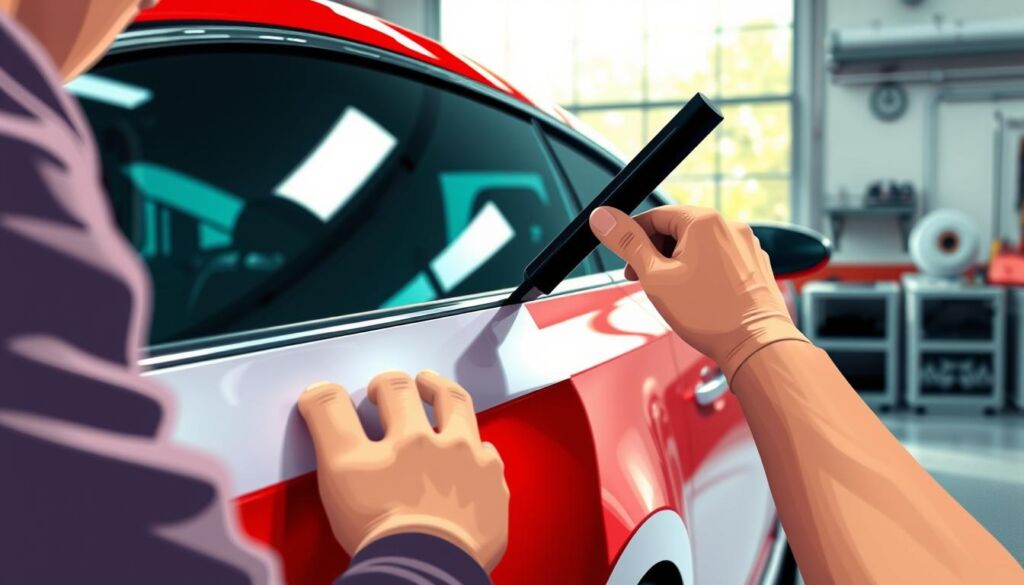
Knowing the truth about PPF helps you make a smart choice for your car. It offers long-lasting protection and can fix small scratches. PPF is a smart investment for any car owner.
Full Vehicle vs. Partial Coverage: Which PPF Option Is Right for You?
When you think about Paint Protection Film (PPF) for your car, you must choose. Do you want full vehicle coverage or just partial? Your choice depends on how you drive, the roads you’re on, and how much you can spend.
Understanding Full Vehicle PPF Coverage
Full vehicle PPF wraps your whole car in protective film. This way, every part of your car’s paint is safe from damage. It’s great for those who drive a lot or in tough places.
Partial PPF Coverage Options and High-Impact Areas
Partial PPF focuses on areas that get hit a lot, like the front bumper and hood. It’s cheaper but still protects against paint damage. Many people choose this for a good balance of cost and protection.
Making the Right Choice for Your Driving Habits
Think about your driving when choosing between full and partial PPF. If you drive on highways or in construction zones, full coverage is best. But if you drive less, partial might be enough. For expert PPF installation, talk to pros who can help pick the right coverage for you.
| Coverage Type | Protection Level | Cost |
|---|---|---|
| Full Vehicle | Comprehensive | Higher |
| Partial | Targeted | Lower |
The Professional PPF Installation Process at Shell Shocked Wraps
At Shell Shocked Wraps, we make sure PPF installation is done right. This is because we know how important it is to protect your vehicle. We want your car to stay safe and look great.
Pre-Installation Vehicle Preparation
Your car gets a deep clean before we start. We remove dirt and stuff that could mess with the film. “A clean surface is crucial for a successful PPF installation,” we say.
Our Meticulous Installation Technique
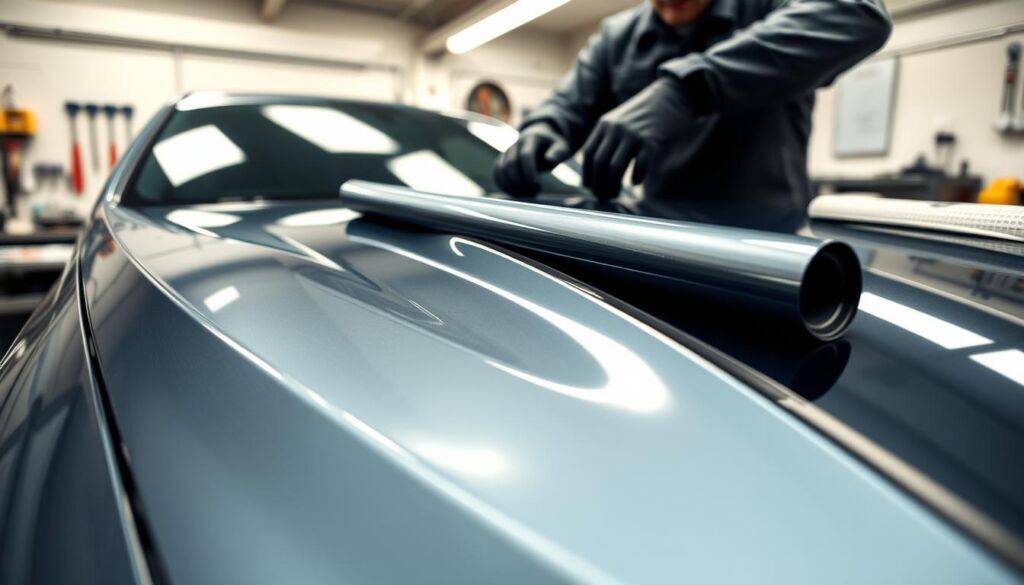
Our team uses special skills to apply the PPF. We cut the film with precision and apply it carefully. This way, your car gets the best protection without any problems.
Post-Installation Care and Curing
Once it’s done, we tell you how to take care of your car. This helps the film work its best. It’s all about keeping your car safe and looking good.
Initial Care Instructions
For a few days, don’t wash your car or expose it to bad weather. This lets the film stick well to your car’s paint.
What to Expect During the Curing Process
During curing, your car might look a bit different. But don’t worry, it’s just temporary. The film will get clear again once it’s fully cured. For more info, check out our page on vinyl wrap vs. PPF.
DIY vs. Professional PPF Installation: Why Experience Matters
Choosing between DIY or professional PPF installation is a big decision. DIY PPF installation is possible but risky. It can make the product less effective.
The Risks of DIY Paint Protection Film Application
DIY PPF installation can cause air bubbles, wrinkles, and reduced durability. Without the right training, mistakes can be costly. Plus, it might void the warranty, leaving you with no help if it fails.
The risks of DIY PPF installation include:
- Air bubbles and wrinkles
- Incorrect alignment
- Reduced product lifespan
- Voiding the manufacturer’s warranty
The Shell Shocked Wraps Advantage
Choosing Shell Shocked Wraps for PPF installation is safer. Our team has the expertise and training to apply PPF perfectly. This means your vehicle gets the best protection.
Our Expertise and Training
At Shell Shocked Wraps, our installers are well-trained. They know the latest PPF installation techniques. This ensures your vehicle’s PPF is applied right, giving it the best protection.
The Husband and Wife Team Behind Shell Shocked Wraps
Our team is led by a husband and wife duo. They are passionate about giving you the best results. Their experience and attention to detail make them perfect for your PPF needs.
How to Properly Maintain Your Paint Protection Film
Keeping your Paint Protection Film (PPF) in good shape is key. It helps protect your car’s paint well. Clean it often and take good care of it to make it last longer.
Recommended Cleaning Products and Techniques
Use a mild soap or a cleaner made for PPF. Stay away from harsh chemicals or rough stuff that can harm the film. Gentle washing techniques are best. Clean with a soft, microfiber cloth or sponge. Don’t use high-pressure washes.
Long-Term PPF Care Tips
Regular checks are important for long-term care. Look for damage like tears, bubbles, or if it’s coming off. Fixing these problems fast can stop more harm.
Seasonal Maintenance Considerations
Seasons can affect your PPF. In winter, clean off salt or de-icer fast, as they can hurt the film. In summer, don’t leave your car in extreme heat for too long.
When to Consult a Professional
If you see damage or problems with your PPF, get help from a pro. They can check it out and fix or maintain it to keep it working well.
Combining PPF with Other Protection Methods
Using PPF with other methods makes your car safer. PPF guards against physical harm. But adding more protection makes your car even safer.
The Perfect Pairing: PPF and Ceramic Coatings
PPF and ceramic coatings work great together. Ceramic coatings keep your car clean and shiny. They also make washing your car easier.
Adding Window Tint for Complete Vehicle Protection
Window tint adds extra safety to your car. It keeps the sun out and makes your car cooler. With PPF, your car’s paint and windows are fully protected.
| Protection Method | Benefits |
|---|---|
| PPF | Protects against physical damage, preserves paint |
| Ceramic Coatings | Enhances hydrophobic properties, protects against contaminants |
| Window Tint | Blocks UV rays, reduces heat, enhances privacy |
Shell Shocked Wraps’ Comprehensive Protection Packages
At Shell Shocked Wraps, we have comprehensive protection packages. We mix PPF with ceramic coatings and window tint. Our team will pick the best for your car. Your car will stay safe and look amazing for years.
Conclusion: Protecting Your Investment with Shell Shocked Wraps
Now you know what a paint protection film is and why it’s good. It keeps your car’s paint safe from damage. This helps keep your car looking great and its value high.
Shell Shocked Wraps is a top choice for car customizing. They do great PPF installations. Their team works hard to make sure your car looks amazing.
Choosing Shell Shocked Wraps means your car is in good hands. Your car’s paint will stay new-looking for a long time. Just remember to take care of it.
