

Choosing the right car tint can be a daunting task, given the numerous car window tinting options available.
When deciding, it’s crucial to consider factors such as visibility, style, and legal limits to ensure your car’s tint is both functional and compliant with the law.
This article will guide you through the process of selecting the perfect tint for your vehicle, covering the benefits and drawbacks of different tints and what you need to know about local regulations regarding car tinting.
Key Takeaways
- Understand the importance of visibility when choosing a car tint.
- Explore various car window tinting options for style and functionality.
- Learn about the legal limits of car tinting in your area.
- Discover how to balance style with legal compliance.
- Get tips on maintaining your car’s tint for longevity.
Understanding Car Window Tint Basics
When it comes to car window tinting, understanding the basics is crucial for making an informed decision. Car window tinting involves applying a thin film to your vehicle’s windows to achieve various benefits, including reduced heat, glare, and UV radiation.
What Is Window Tint and How Does It Work?
Window tint is a thin, adhesive film applied to the glass windows of a vehicle. It works by blocking out certain wavelengths of light, thereby reducing the amount of heat and glare that enters the vehicle. Modern window tints are made from various materials, including dyed, metalized, and ceramic films, each offering unique benefits such as UV protection, heat rejection, and enhanced privacy.
Benefits of Tinting Your Car Windows
Tinting your car windows offers numerous benefits, including enhanced privacy, reduced fuel consumption due to lower air conditioning usage, and protection of your vehicle’s interior from fading caused by UV rays. Additionally, window tinting can improve the overall appearance of your vehicle, giving it a sleek and stylish look.
| Benefits | Description |
|---|---|
| UV Protection | Blocks up to 99% of harmful UV rays |
| Heat Reduction | Reduces the amount of heat entering the vehicle |
| Glare Reduction | Minimizes glare from the sun and other vehicles’ headlights |
| Enhanced Privacy | Makes it difficult for others to see inside the vehicle |
Types of Window Tint Materials
The world of car window tinting is diverse, with several materials offering unique benefits. Understanding these options is crucial for making an informed decision that suits your needs.
Dyed Window Film
Dyed window film is one of the most common and affordable types of window tint. It is made by applying a dye to the film, which absorbs heat and reduces glare. However, it may not offer the same level of heat rejection as other materials and can fade over time.
Metalized Window Tint
Metalized window tint uses metallic particles to reflect heat and UV rays. It is more effective at heat rejection than dyed film and can last longer. However, it can interfere with electronic signals and may not be suitable for all vehicles.
Carbon Window Film
Carbon window film is known for its matte finish and is made by combining carbon particles with the adhesive. It offers excellent heat rejection and UV protection without interfering with electronic signals. It’s a popular choice for those seeking a balance between performance and aesthetics.
Ceramic Window Tint
Ceramic window tint is a premium option that uses ceramic particles to provide superior heat rejection and UV protection. It does not interfere with electronic signals and is highly durable. For more information on the differences between ceramic and other types of tint, such as dyed window film, visit this resource.
Hybrid Films
Hybrid films combine different technologies, such as dyed and metalized layers, to offer a balanced performance. They provide a compromise between cost, heat rejection, and signal interference, making them a versatile option for many car owners.
When choosing the best window tint for your car, consider factors such as your budget, the climate you live in, and your personal preferences regarding appearance and performance. By understanding the different types of window tint materials available, you can make an informed decision that enhances your driving experience.
Understanding Tint Percentages
Understanding tint percentages is key to selecting the perfect car window tint for your vehicle. Tint percentage refers to the amount of visible light that can pass through the window film. A lower percentage means a darker tint, while a higher percentage indicates a lighter tint.
What Do Tint Percentages Mean?
Tint percentages are measured on a scale from 0% to 100%, where 0% is completely opaque and 100% is completely transparent. Most car window tints range from 20% to 50%. The choice of tint percentage depends on local laws, personal preference, and the desired level of visibility.
Visual Comparison of Different Tint Levels
Different tint levels can significantly affect the appearance of your vehicle. For instance, a 20% tint is considered dark and provides maximum privacy, while a 50% tint is lighter and offers a more subtle look. Here’s a comparison table:
| Tint Percentage | Visibility | Privacy Level |
|---|---|---|
| 20% | Low | High |
| 35% | Moderate | Medium |
| 50% | High | Low |
Recommended Percentages for Different Windows
The recommended tint percentage varies for different windows. For the front windshield, a lighter tint (70%-85%) is usually recommended for optimal visibility. For the front side windows, 35% is a popular choice as it balances style and visibility. For the rear windows, you can opt for a darker tint (20%-30%) for enhanced privacy.
By understanding tint percentages and their implications, you can make an informed decision that suits your needs, complies with local regulations, and enhances your vehicle’s appearance.
What Tint Should I Get on My Car? Key Factors to Consider
When deciding on a car tint, it’s crucial to weigh several factors, from your motivations for tinting to the specific characteristics of your vehicle and environment. Understanding these elements will help you make an informed decision that meets your needs and complies with local regulations.
Your Primary Purpose for Tinting
Your reasons for tinting your car windows can significantly influence the type of tint you should choose. If you’re looking for increased privacy, a darker tint might be suitable. However, if you’re more concerned about heat rejection, you might prioritize a tint with high solar heat rejection properties, regardless of its darkness.
Vehicle Type and Color Considerations
The type and color of your vehicle can also impact your tint choice. For instance, darker vehicles might benefit from lighter tints to avoid excessive heat absorption, while lighter vehicles might be able to handle darker tints without issues. Additionally, the design of your vehicle, such as the presence of curved windows, might affect the complexity and cost of the tint installation.
Climate and Environment Factors
The climate you live in plays a crucial role in determining the best tint for your car. In hotter climates, tints with high UV and heat rejection properties are beneficial. In contrast, in cooler climates, the focus might be more on visibility and less on heat rejection.
Budget Constraints
Finally, your budget will also be a determining factor. Different types of tints vary significantly in price, with ceramic tints generally being more expensive than dyed or metalized tints. Balancing your needs with your budget is key to making the right choice.
| Factor | Considerations | Impact on Tint Choice |
|---|---|---|
| Purpose | Privacy, Heat Rejection, UV Protection | Darkness and Type of Tint |
| Vehicle Type/Color | Darker/Lighter Vehicles, Vehicle Design | Tint Color and Installation Complexity |
| Climate | Hot, Cold Climates | Heat Rejection and UV Protection Properties |
| Budget | Cost of Different Tint Types | Type and Quality of Tint |
Legal Limits: Window Tint Laws in the United States
The United States has diverse laws governing window tinting, which every car owner should be aware of. These laws are designed to ensure safety on the roads while allowing for some personalization of vehicle appearance.
Front Windshield Regulations
Most states allow a non-reflective tint on the top portion of the windshield, typically above the AS-1 line, which is usually about 5 inches from the top. However, some states have stricter regulations, so it’s essential to check local laws. For instance, certain states may require a specific percentage of light transmission for the windshield.
Front Side Windows Requirements
The regulations for front side windows vary significantly. Some states allow a darker tint, while others require a higher Visible Light Transmission (VLT) percentage. For example, in some jurisdictions, the front side windows must allow more than 35% of light in. It’s crucial to check the specific legal window tint percentage for your state.
Rear Windows and Back Windshield Rules
Laws regarding rear windows and back windshields are generally more lenient, allowing for darker tints. However, some states require a dual side mirror setup if the rear window is tinted beyond a certain darkness. It’s also worth noting that some states have specific rules about the reflectivity of the tint.
Medical Exemptions for Darker Tints
Many states offer medical exemptions for individuals who need darker tints due to health conditions. These exemptions usually require documentation from a medical professional and may need to be renewed periodically. The process and eligibility criteria vary by state, so it’s essential to consult local authorities for specific requirements.
In conclusion, understanding and complying with local window tint laws is vital for car owners to avoid fines and ensure their vehicle’s tint does not compromise safety. Always check the latest regulations in your state to make informed decisions about your car’s window tinting.
Visibility and Safety Considerations
Car window tinting is not just about enhancing the vehicle’s appearance; it’s also about ensuring safety and visibility. The right tint can significantly impact how well you can see while driving, both during the day and at night, as well as in various weather conditions.
Daytime Visibility with Different Tint Levels
During the day, the visibility with different tint levels can vary significantly. Lighter tints may not affect visibility much, while darker tints can reduce glare from the sun but may also impair the driver’s ability to see pedestrians, other cars, or road signs. Choosing the right tint shade involves balancing these factors.
Nighttime Driving Concerns
At night, visibility is a major concern with darker tints. Darker tints can significantly reduce visibility in low-light conditions, making it harder to see other vehicles, pedestrians, or obstacles on the road. It’s essential to consider how much tint darkness will affect your ability to drive safely at night.
Weather Considerations (Rain, Snow, Fog)
Weather conditions like rain, snow, and fog can further complicate visibility with tinted windows. In such conditions, it’s crucial to ensure that your tint is not too dark, as it can exacerbate the difficulty in seeing. A table summarizing the impact of different tint levels on visibility in various conditions can be helpful:
| Tint Level | Daytime Visibility | Nighttime Visibility | Visibility in Rain/Snow/Fog |
|---|---|---|---|
| Light Tint (50%+) | Excellent | Good | Good |
| Medium Tint (30-49%) | Good | Fair | Fair |
| Dark Tint (<30%) | Fair | Poor | Poor |
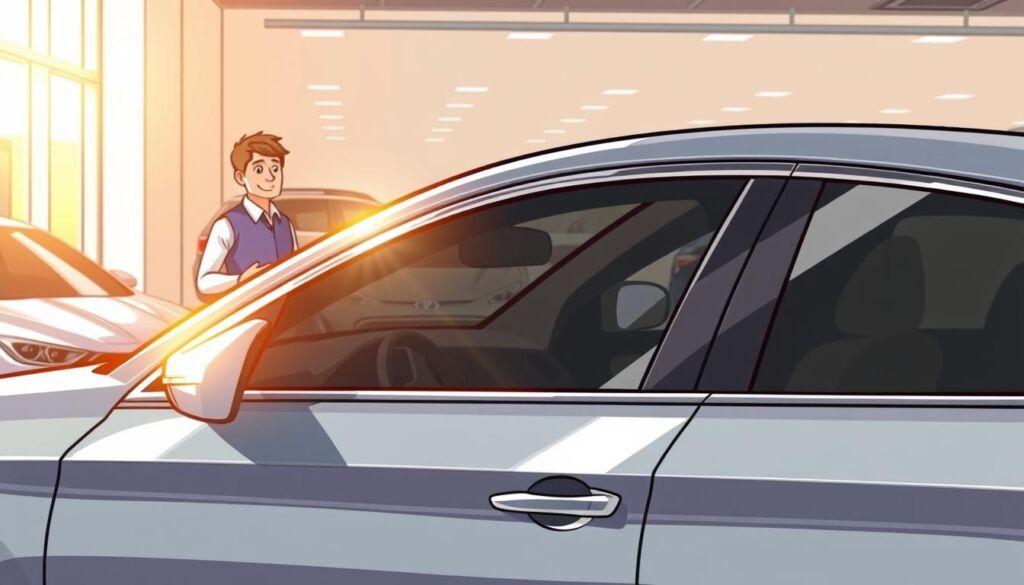
Ultimately, the best tint for your car balances style, legal compliance, and safety considerations. By understanding how different tint levels affect visibility under various conditions, you can make an informed decision that suits your needs.
Style and Aesthetic Benefits of Window Tinting
The aesthetic appeal of window tinting can significantly transform your vehicle’s look, making it stand out on the road. Window tinting is a popular automotive customization option that not only enhances the appearance of your car but also provides several functional benefits.
How Tint Enhances Vehicle Appearance
Window tinting can dramatically change the look of your vehicle by adding a sleek, sophisticated appearance. Different tint shades can complement the vehicle’s color, making it look more aggressive or elegant depending on your preference. For instance, a darker tint can give your car a more aggressive stance, while a lighter tint can maintain a more subtle, understated look.
Matching Tint to Vehicle Color and Style
When choosing a window tint, it’s essential to consider your vehicle’s color and style to ensure a harmonious match. For example, a black or dark gray car might look sleek with a dark tint, while a brightly colored car might be complemented by a lighter tint that doesn’t compete with its vibrant hue. The table below provides some general guidelines for matching tint to vehicle color:
| Vehicle Color | Recommended Tint Shade |
|---|---|
| Black or Dark Gray | Dark or Medium Tint |
| White or Light Gray | Light or Medium Tint |
| Bright Colors (Red, Blue, etc.) | Light Tint |
Ultimately, the choice of window tint should reflect your personal style and preferences, while also considering the local regulations regarding window tint darkness.
Heat Rejection and UV Protection Benefits
Car window tinting is not just about aesthetics; it also provides substantial practical benefits, such as heat rejection and UV protection. These advantages contribute significantly to the comfort and health of drivers and passengers, as well as the longevity of the vehicle’s interior.
Temperature Reduction Inside Your Vehicle
One of the primary benefits of window tinting is its ability to reduce the temperature inside your vehicle. By blocking direct sunlight, tinted windows can lower the interior temperature, making your car more comfortable to enter and reducing the need for excessive air conditioning. This is particularly beneficial during hot summer months or in warmer climates.
Protection for Your Skin and Interior
Window tinting also offers protection against harmful UV radiation. High-quality tints can block up to 99% of UV rays, safeguarding the skin of drivers and passengers from potential damage and reducing the risk of skin cancer. Additionally, UV protection helps preserve the vehicle’s interior, preventing fading and cracking of dashboard and upholstery materials.
Energy Efficiency and Fuel Savings
By reducing the amount of heat that enters the vehicle, window tinting can lead to increased energy efficiency. With less heat gain, the air conditioning system doesn’t have to work as hard, potentially leading to fuel savings. While the exact savings can vary based on factors like vehicle type, tint quality, and driving habits, the cumulative effect can be significant over time.
When considering window tinting, it’s essential to choose a product that balances your needs for heat rejection, UV protection, and visibility. Factors such as car window tint percentages and the quality of the tint material play crucial roles in determining the overall performance of the tint. Whether you opt for a DIY car tint installation or professional services, ensuring the right tint for your vehicle can enhance your driving experience and protect your investment.
Professional Installation vs. DIY Tinting
When it comes to car window tinting, one of the most critical decisions you’ll make is whether to opt for professional installation or take the DIY route. Both approaches have their advantages and disadvantages, which are crucial to understanding before making your decision.
Advantages of Professional Installation
Professional car window tinting offers several benefits, including high-quality results, durability, and warranty coverage. Professionals have the experience and equipment to apply the tint correctly, ensuring a bubble-free and even application. This not only enhances the appearance of your vehicle but also maximizes the tint’s functionality, including UV protection and heat rejection.
Moreover, professional installers are knowledgeable about local regulations regarding window tint darkness and reflective properties, reducing the risk of non-compliance.
DIY Tinting: What to Know Before You Start
If you decide to go the DIY route for your car tint installation, there are several factors to consider. First, ensure you have the right tools and a clean, dust-free environment to work in. The quality of the tint film itself is also crucial; choose a reputable brand that meets your needs in terms of UV protection, heat rejection, and visibility.
It’s also important to follow the manufacturer’s instructions carefully to avoid common pitfalls such as bubbles, creases, and improper alignment.
Cost Comparison and Value Assessment
The cost of professional car window tinting versus DIY installation is a significant consideration. While DIY kits are generally cheaper upfront, the cost of potential mistakes and the value of your time should be factored into your decision.
| Aspect | Professional Installation | DIY Installation |
|---|---|---|
| Initial Cost | $200-$500 | $50-$200 |
| Warranty | Yes, typically 5-10 years | No, or limited |
| Quality of Work | High, guaranteed | Variable, dependent on skill |
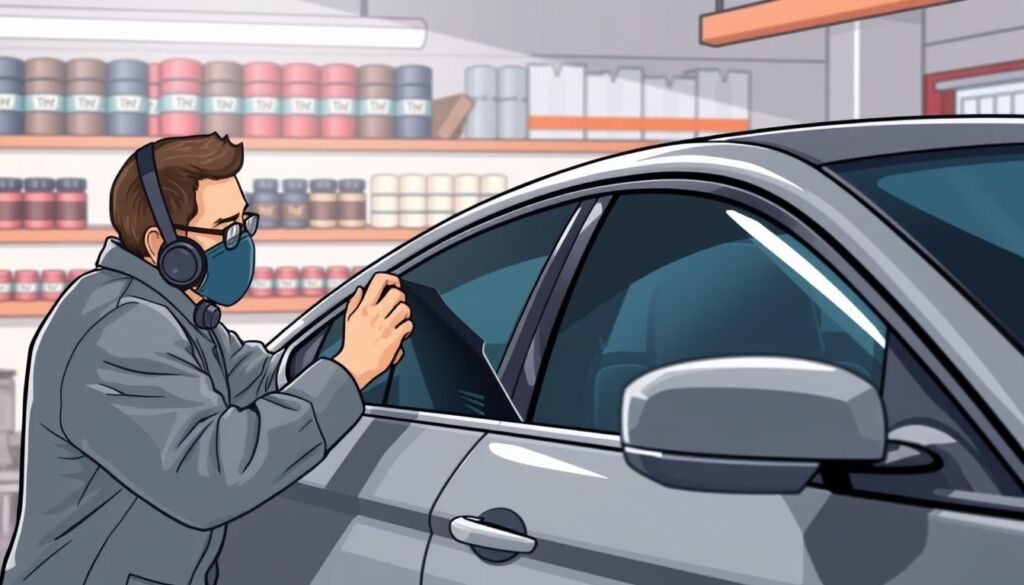
In conclusion, while both professional installation and DIY tinting have their places, the best choice for you will depend on your priorities regarding cost, quality, and convenience. By weighing these factors, you can make an informed decision that meets your automotive tinting needs.
Common Myths and Misconceptions About Car Window Tint
Many car owners have misconceptions about window tinting that can affect their decision-making process. These myths can lead to confusion and misinformation, ultimately affecting the choices they make for their vehicles.
Tint Darkness and Privacy Myths
One common myth is that darker tints provide more privacy. While it’s true that darker tints can make it harder for others to see inside your vehicle, they don’t necessarily offer more privacy at night. In fact, at night, when the interior of your car is lit, a dark tint can actually make it easier for others to see in if they are closer to your vehicle. It’s also worth noting that very dark tints can sometimes attract unwanted attention due to their appearance.
Installation and Maintenance Misconceptions
Some car owners believe that window tint installation is a simple DIY process that can be done at home. However, professional installation is recommended to avoid bubbles, peeling, and other issues that can arise from improper application. Additionally, there’s a misconception that window tint requires special maintenance. In reality, maintaining window tint is relatively straightforward: avoid using harsh chemicals or abrasive materials when cleaning, and ensure the tint is allowed to dry properly after installation.
By understanding the facts behind these common myths, car owners can make more informed decisions when choosing and maintaining their window tint.
Conclusion: Making the Right Tint Choice for Your Needs
Choosing the right car tint can be a daunting task, but by considering factors such as visibility, style, and legal limits, you can make an informed decision. When deciding what tint should i get on my car, think about your primary needs: is it for style, heat rejection, or UV protection?
The best window tint for car varies depending on your vehicle type, climate, and personal preferences. For instance, if you live in a hot climate, a ceramic tint might be the best option due to its excellent heat rejection properties.
Ultimately, choosing the right car tint involves balancing your needs with the legal requirements in your state. By doing so, you can enjoy the benefits of window tinting, including enhanced style, improved comfort, and increased energy efficiency.